

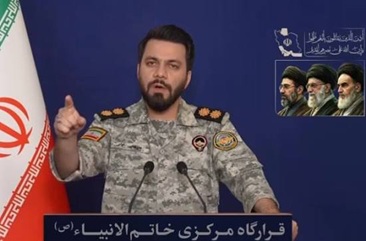
A spokesperson for Iran’s Islamic Revolutionary Guard Corps (IRGC) has warned that the residences of American and Israeli leaders in the Middle East are now considered potential military targets, marking another escalation in the rapidly deteriorating confrontation between Iran, the United States and Israel.
The warning was delivered in a video statement released amid several days of intensified military exchanges across the Gulf region. According to the IRGC spokesperson, the threat was issued in response to what Iran described as attacks on the homes of senior Iranian military commanders during the ongoing conflict.
The statement represents one of the strongest public declarations by the IRGC since hostilities intensified, raising fresh concerns about the possibility of broader attacks against senior officials and strategic facilities across the region.
The latest remarks come as the military confrontation continues to expand. U.S. forces have reportedly carried out strikes on approximately 170 Iranian targets, including military infrastructure and transportation facilities such as rail bridges, as part of operations aimed at degrading Iran’s military capabilities and protecting international shipping routes.
Iran has responded by launching missiles and drones at American military installations in Iraq, Jordan, Qatar, Bahrain and Kuwait. While both sides have reported damage to military infrastructure, available information indicates that casualties have remained relatively limited compared with the scale of the exchanges.
The crisis has also heightened tensions around the Strait of Hormuz, one of the world’s most important maritime trade routes through which a significant share of global oil exports passes. The disruption has prompted concerns among governments, energy markets and international shipping companies over the potential impact on global energy supplies.
U.S. President Donald Trump has called on Iran to halt attacks affecting commercial shipping in the Strait of Hormuz, warning that continued threats to maritime security could provoke further American military action. Washington maintains that its operations are intended to safeguard freedom of navigation and protect U.S. personnel and allied interests in the region.
Iran, however, has defended its actions as a response to what it considers repeated attacks on its territory and military assets, accusing the United States of escalating the conflict through sustained air and missile strikes.
The exchange of threats has drawn renewed appeals from the international community for restraint and dialogue. Diplomats and regional organisations have warned that further escalation could destabilise the wider Middle East, disrupt international trade and deepen the humanitarian consequences of the conflict.
Security analysts note that public threats directed at political leaders often heighten tensions but do not necessarily indicate imminent attacks. They caution that such statements should be viewed within the broader context of psychological warfare and strategic messaging that frequently accompanies armed conflicts.
Energy experts also warn that prolonged instability in the Gulf could have far-reaching economic consequences, including higher oil prices, increased shipping costs and renewed inflationary pressures affecting economies around the world.
As military operations continue, governments across the region remain on heightened alert while international efforts to prevent a wider conflict intensify. Observers say the coming days will be critical in determining whether the parties move toward further escalation or renewed diplomatic engagement.
The latest IRGC statement underscores the increasingly volatile nature of the confrontation and highlights the urgent need for measures aimed at reducing tensions, protecting civilians and preventing the conflict from expanding into a broader regional war.


