

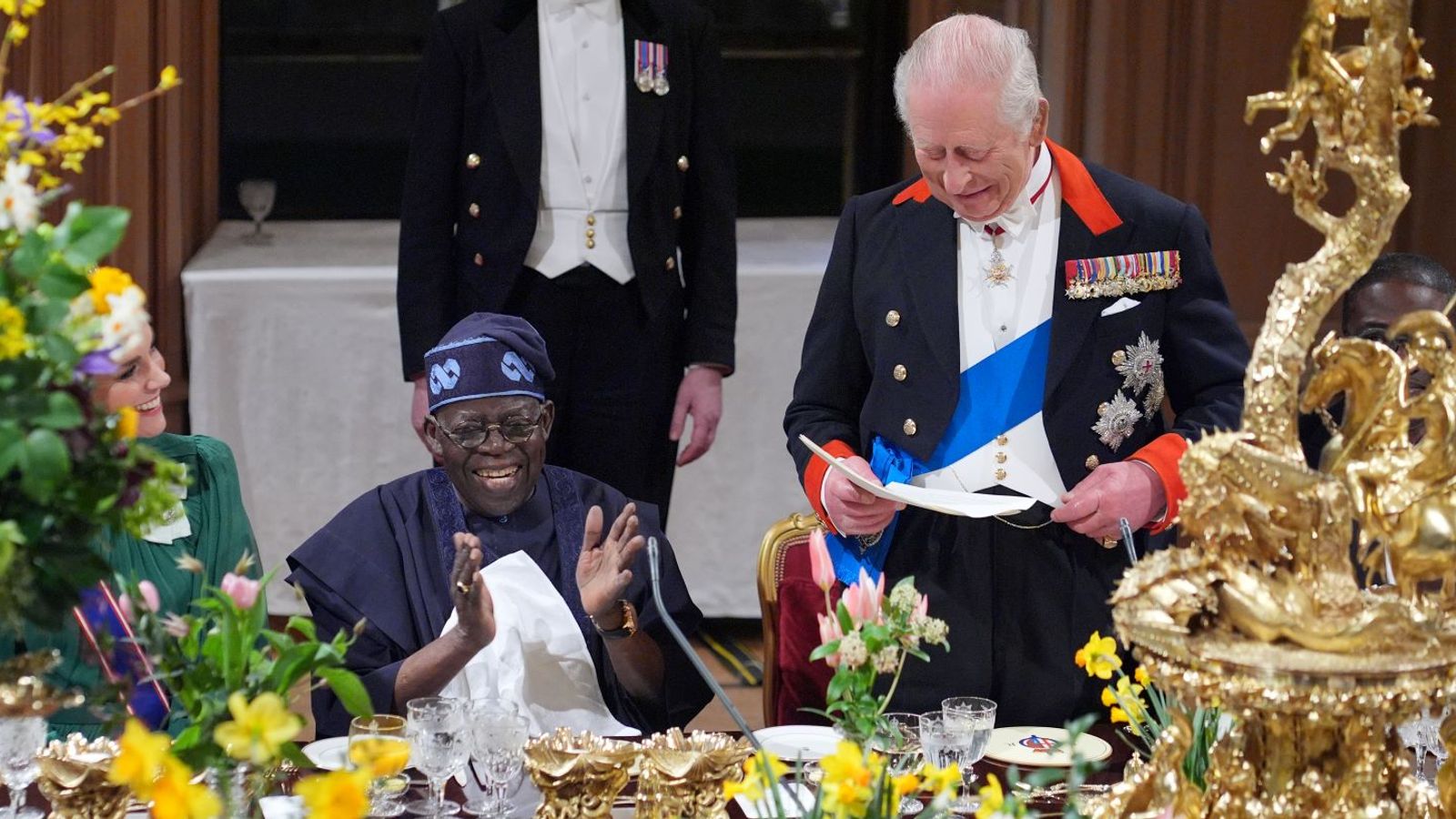
A high-profile agreement signed during President Tinubu’s recent engagement with the UK is drawing intense scrutiny, as details emerge of a £746 million port rehabilitation deal structured to significantly benefit British industries. The project, targeting key facilities in Nigeria, is backed by (UKEF), which guarantees loans issued by British-linked financial institutions—effectively reducing risk for lenders while securing commercial returns for UK businesses.
According to reporting by BBC, the financing arrangement includes a that at least 20 percent of all project contracts must be sourced from UK firms. In practical terms, this ensures that a significant portion of the borrowed funds flows directly back into the British economy. Further disclosures indicate that contracts worth at least £236 million will go to UK suppliers, including approximately £70 million earmarked for British steel exports—reportedly one of the largest of such deals backed by UKEF.
While such arrangements are not unusual in global finance, the structure raises questions about Nigeria’s negotiating position and long-term fiscal exposure. Export credit systems are designed to support the lender country’s economy while providing capital to the borrower, but critics argue that the balance in this case appears tilted. By tying procurement conditions to the loan, the UK effectively guarantees demand for its industries, even as Nigeria assumes the repayment burden.
The viral narrative circulating online claims Nigeria is being shortchanged, suggesting that overlapping figures—such as the 20 percent procurement requirement and the £236 million supply contracts—represent multiple layers of financial extraction. However, financial experts note that these figures are likely interconnected rather than separate obligations, meaning the actual outflow may be less dramatic than portrayed. Still, the lack of transparency around interest rates, repayment timelines, and conditional clauses leaves room for concern.
What remains undisclosed is critical: the cost of borrowing, potential penalties, and whether the terms include restructuring triggers that could deepen Nigeria’s debt exposure over time. Without this information, assertions that the UK will “double its money” remain speculative. Yet, the broader concern—Nigeria accumulating debt under externally-influenced procurement conditions—is not unfounded.
For Nigeria, the potential upside lies in modernized port infrastructure in Nigeria, which could improve trade efficiency, reduce congestion, and boost customs revenue. If executed transparently and efficiently, the project could yield long-term economic gains. But if mismanaged, it risks becoming another case where borrowed funds fail to translate into sustainable national value.
For the UK, the gains are immediate and structured: export expansion, industrial support, job preservation, and financial sector engagement—all underwritten by a government-backed guarantee. This reflects a deliberate economic strategy, not altruism.
Ultimately, the deal underscores a familiar reality in international finance: powerful economies design agreements that serve their interests first. The burden now rests on to ensure that this £746 million commitment delivers tangible value—and does not become another costly lesson in asymmetric partnerships.



Enjoy every single day