

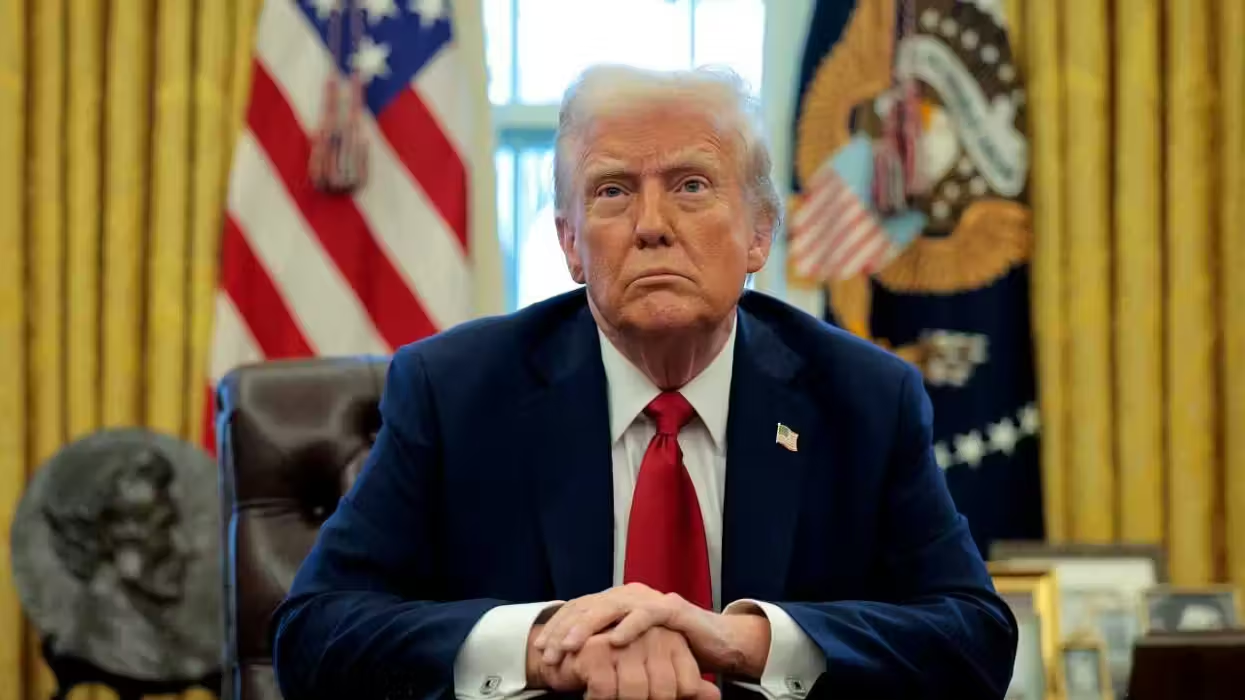
As a fragile two-week ceasefire between the United States and Iran approaches its expiration, tensions are rapidly escalating, with U.S. President Donald Trump declaring it “highly unlikely” that the truce will be extended.
The temporary ceasefire, which was announced earlier this month as part of efforts to de-escalate a growing conflict, is set to expire on Wednesday evening, Washington time. This places the critical deadline around April 22, 2026, marking the end of a narrow diplomatic window intended to pave the way for a broader peace agreement.
Trump’s latest remarks signal a hardening stance from Washington. In recent interviews, the U.S. leader expressed impatience with the pace of negotiations, warning that without a concrete deal, military action could resume swiftly. His position reflects a broader strategy of applying pressure on Tehran, including maintaining a blockade in the strategically vital Strait of Hormuz.
On the other side, Iran has taken an equally firm position. Officials in Tehran have made it clear they will not engage in negotiations “under the shadow of threats,” a stance that underscores the deep mistrust between the two nations. This deadlock has complicated ongoing diplomatic efforts, including planned talks in Pakistan that remain uncertain due to Iran’s hesitancy to participate.
The stakes are extraordinarily high. The ceasefire, though temporary, had provided a brief respite in a conflict that has already disrupted global energy markets and heightened fears of a broader regional war. Oil prices have reacted sharply to the uncertainty, rising amid concerns that renewed hostilities could choke supply routes and destabilize international markets.
Security analysts warn that the expiration of the truce without an agreement could trigger immediate escalation. Reports indicate that U.S. military assets are already positioned in the region, while Iran has signaled readiness to respond with its own capabilities, raising the specter of a wider confrontation.
Diplomatic channels remain open, but progress appears limited. While U.S. officials have suggested that negotiations could still take place, Iran’s reluctance and the increasingly confrontational rhetoric from both sides have cast doubt on the prospects of a last-minute breakthrough.
For the international community, the looming deadline represents more than just the end of a ceasefire—it is a potential turning point. A successful agreement could stabilize not only the Middle East but also global economic and security conditions. Failure, however, risks plunging the region back into active conflict with far-reaching consequences.
As the clock ticks down to the ceasefire’s expiration, the world watches anxiously. Whether diplomacy prevails or conflict resumes may be decided in a matter of hours, with implications that extend far beyond Washington and Tehran.


