

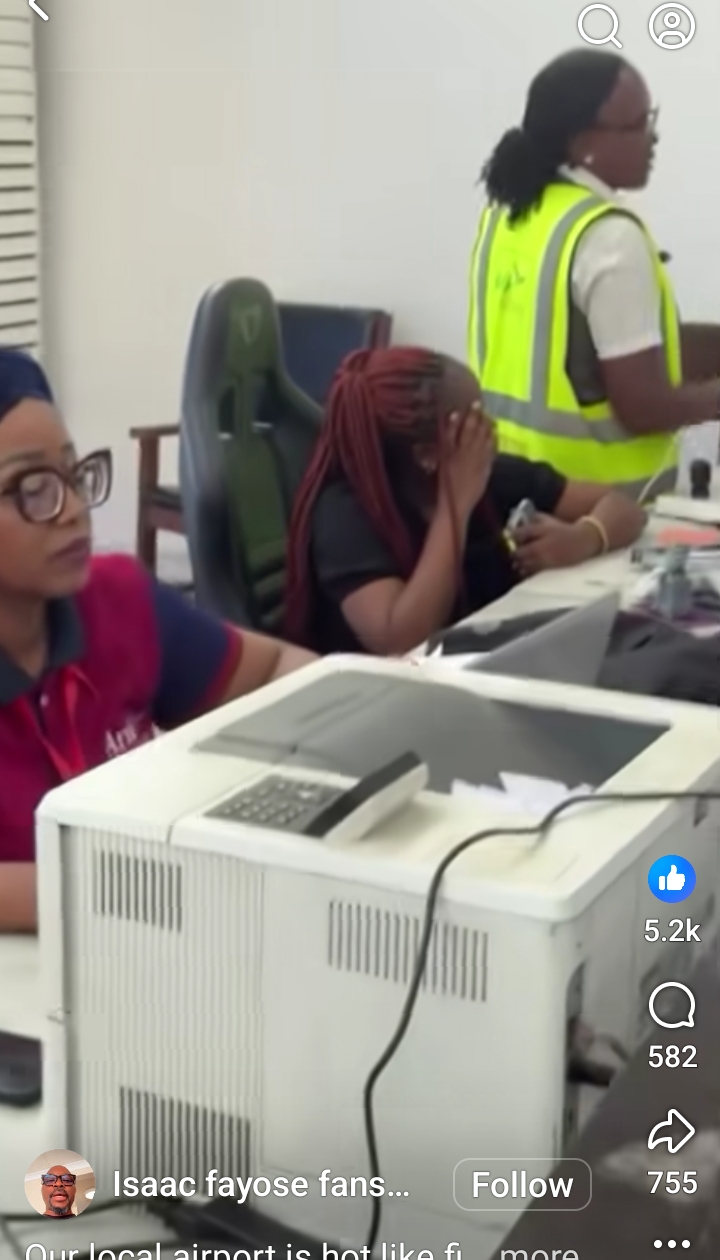
Passengers were left stranded in Osogbo following the abrupt cancellation of a scheduled flight by Arik Air, triggering outrage and fresh concerns over airline reliability in Nigeria.
Reacting to the incident, Isaac Fayose lashed out at the airline, describing the situation as unacceptable and frustrating for affected travelers. He decried the lack of prior notice, noting that passengers were subjected to harsh conditions at the airport with little to no communication.
Fayose also criticized the airline’s refund process, alleging that passengers may have to wait up to three weeks to recover their money — a delay he described as unfair and burdensome.
The incident has sparked wider criticism of operational inefficiencies within Nigeria’s domestic aviation sector, with many calling for stricter regulations and improved passenger protection.
As of press time, Arik Air has yet to respond officially to the allegations.
The situation underscores growing frustration among Nigerian air travelers, particularly in regional hubs like Osogbo, where options remain limited and disruptions carry heavier consequences.
AVIATION STRAIN IN Osogbo: Flight Disruptions Reflect Deepening Economic Pressure on Airlines and Passengers
The recent outburst by Isaac Fayose over a cancelled Arik Air flight in Osogbo has spotlighted a broader crisis confronting Nigeria’s aviation sector — one driven by rising costs, declining passenger traffic, and mounting operational challenges.
Industry observers note that air travel in Nigeria has significantly declined in recent months, largely due to soaring ticket prices triggered by inflation, high aviation fuel costs, and foreign exchange instability. For many Nigerians, flying has increasingly become a luxury rather than a routine means of transportation.
Under the administration of Bola Ahmed Tinubu and the ruling All Progressives Congress, economic reforms — including fuel subsidy removal and currency adjustments — have contributed to higher operating costs across sectors, with aviation among the hardest hit.
Airline operators now face a difficult balancing act: raising fares to stay afloat while grappling with reduced patronage as passengers opt for cheaper alternatives such as road travel. This has led to frequent flight rescheduling, cancellations, and service disruptions, as airlines struggle to maintain profitability and operational efficiency.
In Fayose’s case, the cancellation without notice and delayed refund process reflect the strain on carriers already dealing with tight cash flow and logistical pressures.
Stakeholders warn that without targeted intervention, including policy support and stabilization measures, more airlines could scale down operations — or worse, exit the market entirely.
The Osogbo incident is not isolated — it is a symptom of a wider economic squeeze impacting both Nigerian travelers and the aviation industry at large.


