

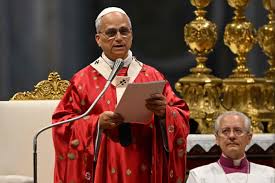
The Vatican is preparing to unveil a major manifesto on artificial intelligence, a move expected to place the Catholic Church at the center of the growing global debate over the ethical use of emerging technologies.
According to senior Vatican officials, Pope Leo XIV is set to release a comprehensive document addressing the opportunities and risks associated with artificial intelligence (AI), including concerns about misinformation, job displacement, human dignity, surveillance, and the future role of ethics in technological innovation.
The highly anticipated manifesto is expected to outline the Church’s position on how governments, technology companies, and global institutions should approach the rapid expansion of AI systems that are increasingly shaping economies, politics, education, healthcare, and social interactions worldwide.
Church leaders say the document will emphasize the importance of ensuring that artificial intelligence remains focused on serving humanity rather than replacing or controlling human decision-making. Vatican insiders describe the upcoming publication as one of the most significant Church statements on technology in recent decades.
The Pope has repeatedly warned about the dangers of allowing technology to develop without moral guidance. In previous speeches, he stressed that artificial intelligence must never undermine human dignity or widen social inequality.
“Technology should improve human life, not diminish the value of the person,” the Pope said during a recent gathering of religious and academic leaders in Rome.
The Vatican’s intervention comes at a time when artificial intelligence tools are advancing rapidly across industries. From generative AI chatbots and automated content creation to facial recognition systems and predictive algorithms, governments and businesses are racing to integrate AI into everyday operations.
While supporters argue that AI can boost productivity, improve healthcare, and accelerate scientific discoveries, critics warn that unchecked development could create serious ethical and social consequences.
Among the concerns expected to be addressed in the manifesto are the spread of deepfake misinformation, loss of jobs through automation, digital surveillance, bias in algorithms, and the concentration of technological power in the hands of a few global corporations.
The Vatican has increasingly become active in discussions surrounding technology ethics in recent years. In 2020, Church representatives helped launch the “Rome Call for AI Ethics,” an initiative promoting transparency, accountability, and respect for human rights in artificial intelligence development.
Major technology companies and international organizations have also joined global efforts to create safeguards around AI systems. However, experts say international regulation still lags behind the speed of innovation.
The Pope’s manifesto is expected to urge world leaders to establish stronger international cooperation and ethical standards for AI governance. Analysts believe the document could influence discussions at the United Nations, the European Union, and other global forums currently considering AI regulations.
Religious scholars say the Church’s growing focus on artificial intelligence reflects wider concerns about how technology is reshaping society and human identity. The Vatican has increasingly argued that moral values should remain central as digital technologies become more powerful and influential.
Experts also believe the manifesto could encourage faith communities worldwide to participate more actively in conversations about technology and ethics.
“The Church wants to ensure that humanity does not lose sight of compassion, justice, and responsibility in the pursuit of technological progress,” said one Vatican adviser familiar with the document.
The announcement has already generated global attention from technology experts, policymakers, ethicists, and religious leaders eager to see how the Vatican plans to address one of the defining issues of the modern era.
Several AI researchers have welcomed the Church’s involvement, arguing that ethical discussions must include perspectives beyond business and politics. Others believe the manifesto could add moral pressure on technology firms to develop safer and more transparent AI systems.
The document is expected to be released during a major Vatican conference on technology and ethics later this year, where global leaders from the tech industry, academia, and civil society are likely to participate.
As artificial intelligence continues to transform nearly every aspect of modern life, the Pope’s manifesto may become an influential voice in shaping how the world balances innovation with ethical responsibility.


