
The reported blocking of Nigeria Democratic Congress (NDC) presidential candidate Peter Obi from visiting victims of recent attacks in Benue State has triggered fresh criticism of the administration of Governor Hyacinth Alia, with an advocate describing the incident as an “advertisement of Benue’s barbaric backwardness.”
In a strongly worded commentary, the critic condemned the reported obstruction of Obi’s planned relief and condolence visit to communities affected by violence, describing it as a “man-made tragedy of national proportions.”
The statement questioned why, according to the author, a state government that had been unable to prevent repeated attacks on communities could allegedly mobilise individuals to frustrate a political leader seeking to visit displaced persons and victims.
The critic also accused the Alia administration of failing to adequately resettle internally displaced farmers, while allegedly preventing national figures and humanitarian groups from reaching affected communities.
The statement further raised allegations of political and ethnic marginalisation of the Idoma people in Benue, particularly in relation to political appointments, infrastructure development and access to government projects.
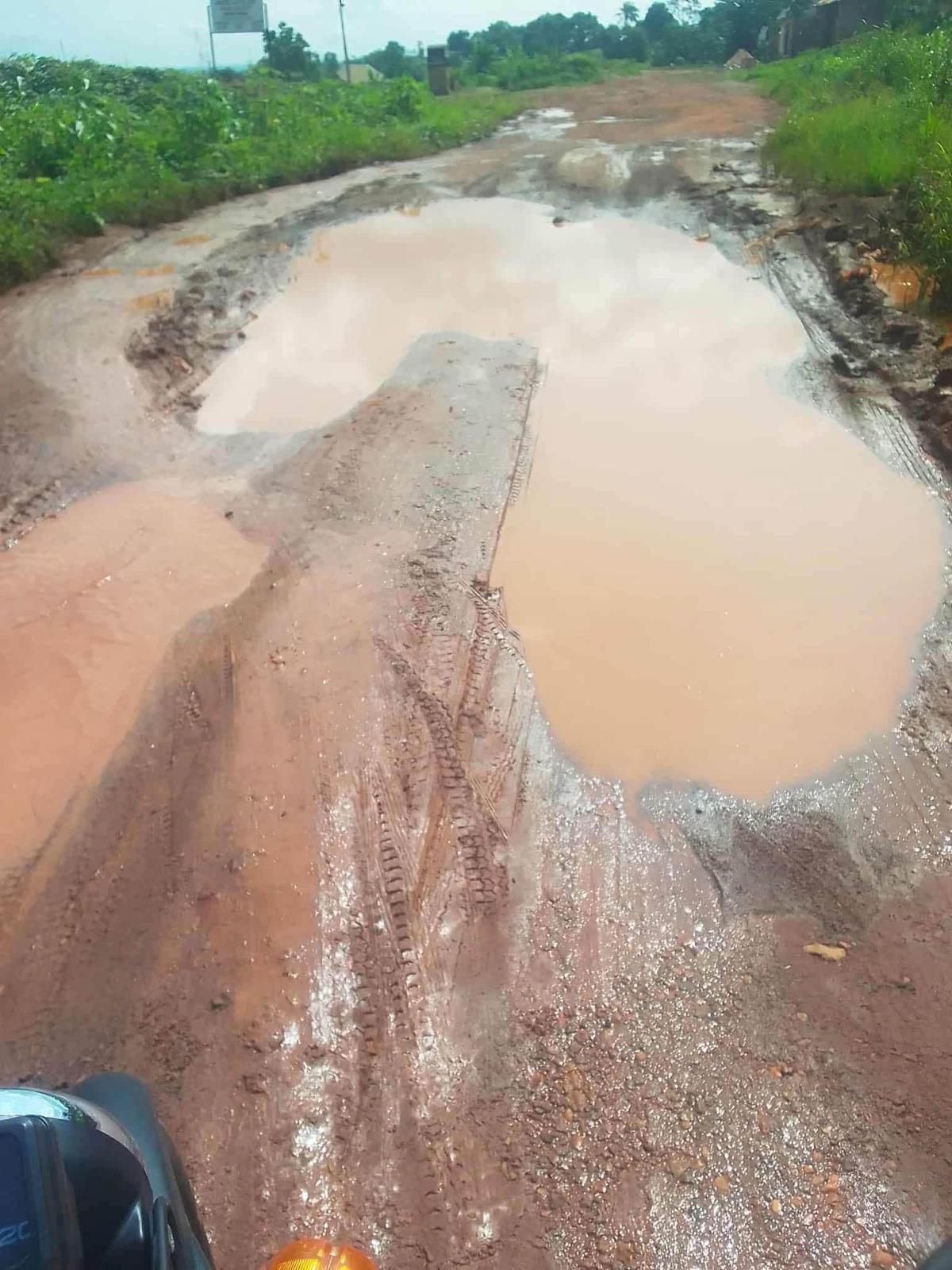
One of the major issues highlighted was the condition of the Otukpo–Igumale Road, which the author described as virtually impassable and blamed for disrupting humanitarian and medical missions to communities in Benue South.
Quoting Professor Pita Agbese, the statement claimed that only about two kilometres of a 31-kilometre road leading to his ancestral community had been tarred over an extended period, arguing that the pace of work would take many years to complete the project.
The author said medical missions conducted by a US-based team in 2024 were severely affected by the poor condition of the road, alleging that three vehicles broke down during the exercise.
According to the statement, plans for another medical mission in 2026 were also affected because the condition of the road allegedly made it difficult to transport medical equipment intended for surgical procedures.
The critic further alleged that requests for assistance to repair roads serving communities in Agatu and other parts of Benue South had previously gone unaddressed.
Beyond infrastructure, the commentary accused the state government of discrimination against the Idoma people, arguing that political power in Benue has historically remained concentrated within the two Tiv zones.
It specifically cited the governorship, leadership of the judiciary and other key government positions as areas where, according to the author, Idoma representation has been inadequate.
The statement also criticised what it described as the political rivalry between Governor Alia and other senior members of the ruling All Progressives Congress (APC), arguing that disagreements among political leaders have further complicated governance in the state.
It drew a comparison with the relationship between former Rivers State Governor Nyesom Wike and former Benue Governor Samuel Ortom, noting that political disagreements had not prevented leaders from receiving one another during condolence visits or extending humanitarian assistance.
The author further alleged that Governor Alia’s administration had previously restricted or failed to provide adequate security for humanitarian initiatives involving American missionaries and other groups seeking to assist communities affected by attacks.
The statement questioned the alleged decision to stop Obi from entering Benue for a relief mission, particularly given Obi’s national political status and the support he received from Benue voters during the 2023 presidential election.
“Plateau did not mistreat Obi when he visited,” the critic said, arguing that the Benue government should similarly respect Obi’s constitutional right to move freely and engage with citizens.
The author described the situation facing the Idoma people as one of political and social exclusion, saying: “If they can treat you like this, then you can only imagine what sons of the soil are going through.”
The commentary concluded by calling attention to the plight of displaced Benue residents and urging Nigerians to examine the broader questions of security, political inclusion, infrastructure and governance raised by the controversy.
However, the allegations contained in the commentary—including claims of deliberate ethnic discrimination, obstruction of humanitarian assistance and the alleged mobilisation of miscreants against Obi—remain claims by the author and would require independent verification and responses from the Benue State Government and other parties involved.
The controversy comes amid heightened political activity ahead of the 2027 elections and renewed concerns over the safety and freedom of movement of opposition politicians across Nigeria.
Refine the Benue commentary
Obi’s Blocked Visit Exposes Benue’s Governance Failures, Says Critic

- Advertisement -

