

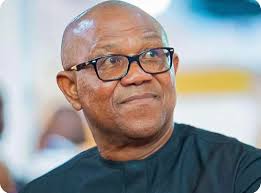
A photographer associated with Peter Obi has alleged that the Independent National Electoral Commission (INEC) blocked an attempt by Obi’s team to register a new political party shortly after the 2023 general elections.
The claim, made by the photographer identified as Umoh, has stirred debate within political circles and among supporters of the former Labour Party presidential candidate. According to Umoh, Obi’s camp initiated the process of registering a new party, which reportedly progressed to the stage of physical inspection by electoral authorities before being rejected without clear justification.
The allegation comes at a time of shifting political alignments involving Obi, who has recently been linked with multiple party movements. After contesting the 2023 election under the Labour Party, he was reported to have moved to the African Democratic Congress (ADC) in late 2025. More recently, there have been speculations about his association with the newly formed Nigeria Democratic Congress (NDC), alongside former Kano State governor Rabiu Kwankwaso.
Supporters of Obi argue that the allegation, if substantiated, reflects systemic barriers faced by opposition figures attempting to expand Nigeria’s political space. They contend that such actions could undermine democratic competition and limit the emergence of alternative platforms.
However, critics have called for caution, noting that the claims remain unverified. Some skeptics have demanded the release of photographic or documentary evidence to support the assertion, while others have questioned the timing of the revelation, suggesting it may be politically motivated amid ongoing realignments.
As of the time of filing this report, INEC has not issued any official response to the allegation. Additionally, there are no publicly available records confirming that an application linked to Obi’s team was formally rejected at the stage described.
Electoral experts emphasize that party registration in Nigeria is governed by constitutional and legal requirements, including nationwide spread, verifiable membership, and administrative compliance. Any failure to meet these criteria can result in denial, though such decisions are typically documented.
The development adds another layer to Nigeria’s evolving political landscape, where party defections, mergers, and new alignments continue to shape the road toward future elections. Whether the allegation gains traction or fades amid lack of evidence may depend largely on further disclosures from the parties involved.
For now, the claim remains a subject of public debate, highlighting broader concerns about transparency, fairness, and access within Nigeria’s democratic process.


