

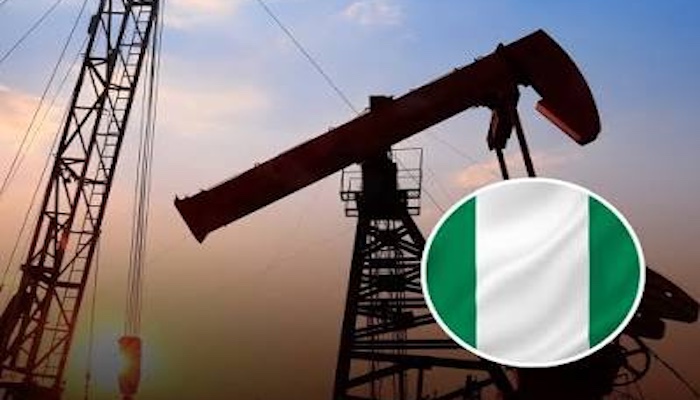
Nigeria has exceeded its crude oil production quota set by the Organization of the Petroleum Exporting Countries (OPEC), recording its highest output level in more than six years. The latest figures indicate that the country’s oil production reached 104 percent of its OPEC allocation, marking a significant milestone in efforts to revive the nation’s petroleum sector. (businessday.ng)
According to industry data, Nigeria’s average daily crude oil production climbed to its highest level in 74 months, reflecting improved operational efficiency, enhanced security around oil facilities, and ongoing measures to curb crude theft and pipeline vandalism. The development represents a major turnaround for Africa’s largest oil producer, which had struggled for years to meet its OPEC production targets due to disruptions in the Niger Delta and other operational challenges.
Analysts say the increase in production could provide a boost to Nigeria’s foreign exchange earnings and government revenues, particularly as crude oil remains the country’s largest source of export income. Higher production levels are also expected to strengthen fiscal performance, improve investor confidence, and support the implementation of key economic reforms aimed at stabilizing public finances.
The rise in output has been attributed to coordinated efforts by the Federal Government, security agencies, and industry stakeholders to restore production at previously inactive oil fields while tackling illegal refining activities and pipeline sabotage. Industry experts believe sustaining these gains will require continued investment in infrastructure, stronger regulatory oversight, and collaboration with host communities.
Despite the encouraging figures, energy economists caution that maintaining production above OPEC targets will depend on global oil market conditions, domestic security, and the successful implementation of ongoing reforms in the oil and gas sector. They also note that increased production should translate into tangible economic benefits through improved public revenue, infrastructure development, and job creation.


