

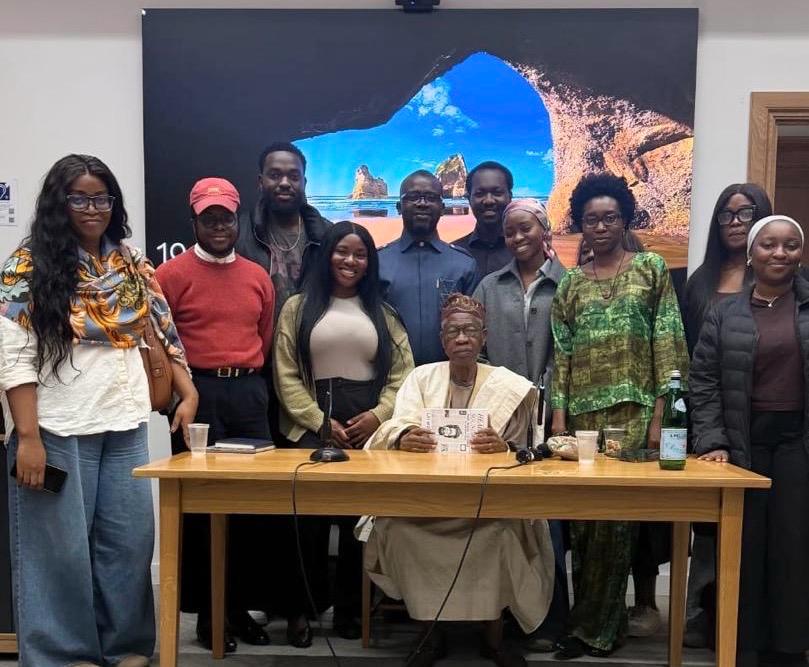
Former Minister of Information and Culture, Lai Mohammed, has attributed the escalation of the 2020 #EndSARS protests to the spread of fake news and widespread disinformation, describing it as one of the most significant challenges faced by the government during the crisis.
Speaking on recent reflections about the protests, Mohammed argued that misinformation circulating across social media platforms played a critical role in intensifying public anger and deepening tensions nationwide. According to him, false narratives and unverified reports contributed to the rapid escalation of demonstrations, which initially began as peaceful calls for police reform.
The #EndSARS movement emerged as a youth-led campaign against the now-disbanded Special Anti-Robbery Squad (SARS), accused of widespread human rights abuses, including extortion, harassment, and extrajudicial actions. What started as online activism quickly transformed into mass protests across major cities, drawing global attention and solidarity.
Mohammed maintained that while the grievances of protesters were acknowledged, the situation was exacerbated by what he described as deliberate attempts to mislead the public. He noted that the government struggled to counter the speed and scale at which information—both accurate and false—spread during the protests.
His comments have, however, reignited debate over the handling of the protests, particularly the controversial events surrounding the Lekki Toll Gate in Lagos. The incident, which remains a subject of intense public scrutiny and conflicting accounts, became a defining moment of the demonstrations and drew international reactions.
Critics of Mohammed’s position argue that attributing the escalation primarily to fake news overlooks deeper structural issues, including longstanding concerns about police brutality, governance, and accountability. They contend that public frustration was rooted in lived experiences rather than solely influenced by online narratives.
Supporters of the former minister’s view, however, point to the dangers of misinformation in crisis situations, emphasizing the need for responsible communication and stronger mechanisms to verify information before dissemination.
Media analysts say the episode highlights the growing influence of digital platforms in shaping public discourse, especially during periods of national unrest. They stress that while misinformation can inflame tensions, it often interacts with underlying grievances that must also be addressed.
The debate over the role of fake news in the #EndSARS protests underscores broader questions about governance, trust, and the power of information in modern society. As Nigeria continues to navigate its democratic journey, the lessons from the protests remain central to discussions on civic engagement, institutional reform, and the responsibilities of both government and citizens in the digital age.


