

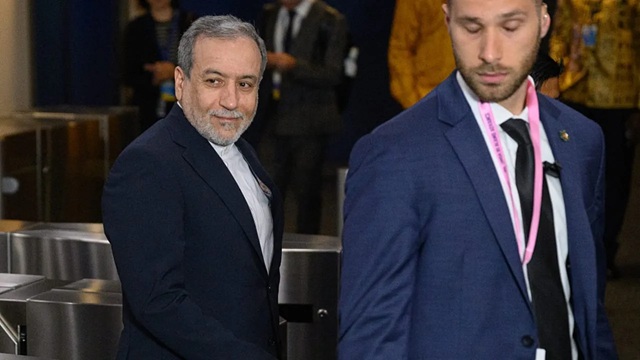
Iran has presented the United States with a proposal that could lead to the reopening of the strategically important Strait of Hormuz within seven days, Iranian Foreign Minister Abbas Araghchi has said.
Araghchi disclosed the proposal while speaking with journalists on the sidelines of the 81st United Nations General Assembly in New York, saying Tehran had delivered the plan to Washington through intermediaries.
He said the Strait would be reopened at the end of the seventh day if the conditions contained in the proposal were accepted, after which negotiations between Iran and the United States would resume.
“We have introduced a plan to the United States through the intermediaries that if certain conditions are met, the Strait of Hormuz would be open on the end of the seventh day and talks would restart,” Araghchi said.
According to the Iranian minister, the proposal is based on the framework of a memorandum of understanding reached between Iran and the United States in June. That earlier understanding was intended to halt military operations and create a period for negotiations, but it subsequently collapsed amid renewed fighting and disagreements over the terms.
Araghchi said the latest proposal could begin immediately if Washington accepts it, with the seven-day timetable starting the following day.
The proposal comes as the Strait of Hormuz remains at the centre of negotiations between Tehran and Washington. The waterway, located between Iran and Oman, is a major route for global oil and gas shipments, making disruptions there a significant concern for international energy markets.
Iran has previously demanded the lifting of the US naval blockade of its ports, sanctions relief and the release of frozen Iranian assets as part of any arrangement to end the conflict and restore maritime traffic.
Reuters reported that US and Iranian negotiators were exploring a phased arrangement in which Iran would reopen the waterway while Washington lifted its economic blockade. Sources familiar with the discussions said the central difficulty remained determining which side would make the first concession and how any agreement could be made durable.
Iranian officials have also indicated that the proposal would involve a halt to hostilities across the region. Reports on the conditions have included an end to fighting on multiple fronts, relief from the US blockade, access to frozen Iranian funds and waivers affecting Iranian oil exports.
However, there has been no public indication that the United States has accepted Tehran’s proposal. A White House official, responding to questions about the plan, said Washington and Tehran were engaged in positive discussions through intermediaries but did not directly confirm acceptance of the Iranian offer.
The US position has also differed from Tehran’s approach to negotiations. Reporting from Al Jazeera said Washington wants Iran’s nuclear programme addressed as part of the broader discussions, while Tehran has sought to separate the reopening of the Strait and other immediate measures from negotiations on the nuclear issue.
The renewed diplomatic activity follows indirect discussions between the two countries during the UN General Assembly. Both sides have publicly indicated an interest in diplomacy, although major differences remain over sanctions, military operations, Iran’s nuclear programme and control of maritime traffic through the Strait.
The economic implications of the dispute are significant. The Strait of Hormuz is one of the world’s most important energy corridors, and prolonged disruption has contributed to pressure on global fuel markets.
For now, the proposed seven-day timetable remains conditional on agreement between Tehran and Washington. Araghchi said Iran was not in a hurry to reach an agreement, while leaving the decision on whether to accept the proposal with the US administration.


