

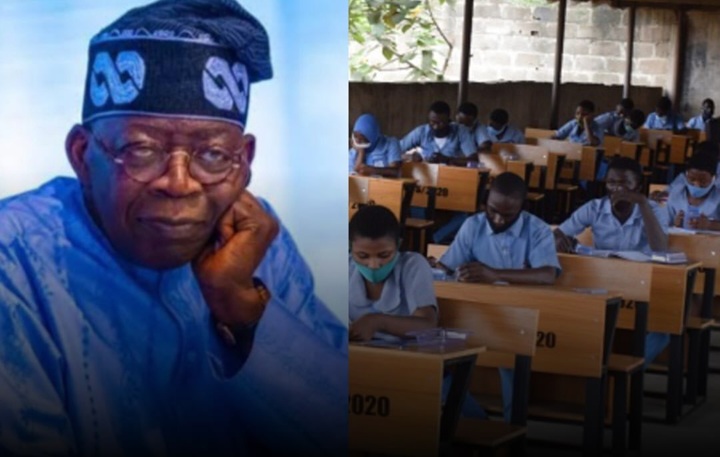
The Federal Government has suspended its proposed increase in registration fees for the West African Senior School Certificate Examination (WASSCE) and the National Examination Council (NECO) Senior School Certificate Examination (SSCE), following widespread public criticism over the affordability of the new charges.
The decision, announced on July 13, comes barely a day after a June 18 government memo proposing an increase in examination fees from ₦27,500 to ₦50,000 for the 2027 examination cycle sparked intense reactions from parents, students, civil society organisations, education stakeholders and opposition leaders.
The proposed adjustment, which would have represented an increase of more than 80 per cent, was widely condemned as untimely, given the rising cost of living and the economic challenges confronting millions of Nigerian households.
In a statement announcing the suspension, the Federal Ministry of Education said the government had listened to the concerns expressed by Nigerians and decided to put the implementation of the proposed fee review on hold. The ministry noted that the decision was taken in the interest of ensuring that every eligible student has fair and equitable access to secondary school certificate examinations, regardless of their financial background.
According to the ministry, the suspension will create room for broader consultations with critical stakeholders, including parents, school proprietors, examination bodies, teachers, education experts and development partners, before any future decision is taken on examination financing.
Officials stressed that the government remains committed to improving the quality and sustainability of public examinations while ensuring that financial considerations do not prevent students from completing their secondary education.
The proposed fee hike had triggered widespread debate across the country, with many Nigerians arguing that the increase would place an unbearable burden on families already struggling with inflation, rising transportation costs, higher food prices and increasing educational expenses.
Several education advocates warned that higher examination fees could force some students to postpone or abandon their plans to sit for the Senior School Certificate Examination, thereby worsening the country’s out-of-school challenges and limiting access to higher education.
Opposition leaders also welcomed the government’s decision to suspend the increase, describing it as a victory for public engagement and democratic accountability.
Former Labour Party presidential candidate Peter Obi commended the reversal, saying the government had demonstrated the importance of listening to citizens’ concerns. However, he maintained that the proposal should never have been introduced at a time when many Nigerians are facing severe economic hardship.
Similarly, former Vice President Atiku Abubakar praised the government’s decision but criticised the initial proposal, arguing that education should remain affordable and accessible to all Nigerians irrespective of their economic status.
Education stakeholders have equally urged the government to develop a sustainable funding model for national examinations without transferring excessive financial responsibility to parents and students. Analysts believe that increased public investment, improved budgetary allocation and stronger partnerships with the private sector could help address the financial needs of examination bodies.
While the suspension has been widely welcomed, uncertainty remains over how the government intends to finance the long-term operations of WAEC and NECO amid rising administrative and operational costs. The Ministry of Education has indicated that ongoing consultations will help shape a balanced approach that protects students while ensuring the continued credibility and efficiency of Nigeria’s public examination system.
For now, parents, students and schools have expressed relief over the government’s decision, hoping that any future reforms will prioritise affordability, inclusiveness and equal educational opportunities for every Nigerian child.


