

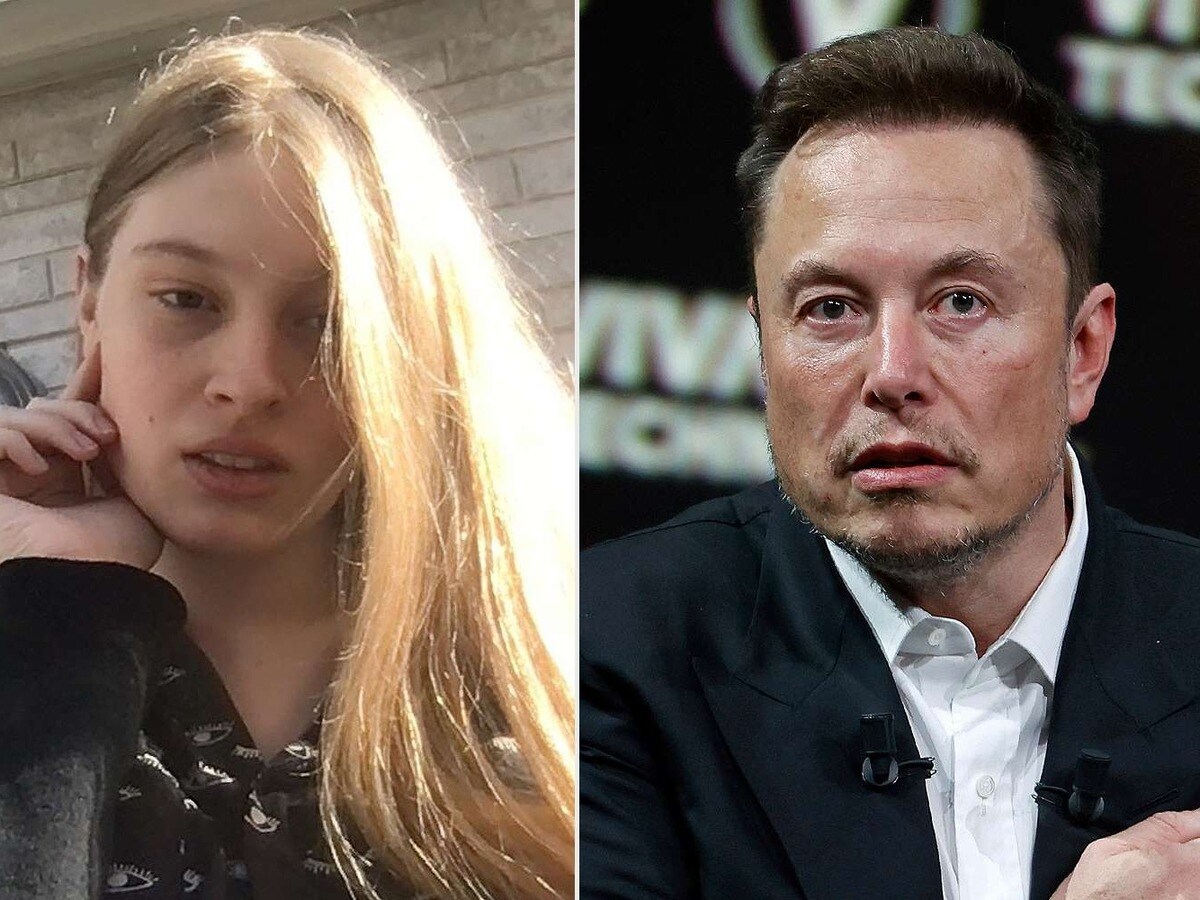
Elon Musk has once again become the center of global controversy after repeating claims that he “lost” his child to what he called the “woke mind virus,” reigniting heated debates surrounding transgender healthcare, parental rights, and cultural politics.
The remarks relate to Musk’s estranged daughter, Vivian Jenna Wilson, who transitioned and legally changed her name in 2022 after distancing herself from the billionaire entrepreneur.
Musk’s latest comments, shared during interviews and amplified online, quickly triggered strong reactions from political commentators, LGBTQ+ activists, and social media users across the world.
Supporters praised the Tesla and SpaceX CEO for speaking openly about concerns surrounding gender-related medical treatment for minors, while critics accused him of spreading harmful rhetoric and publicly misrepresenting his daughter’s experience.
The renewed controversy highlights the increasingly polarized nature of debates involving gender identity and transgender healthcare in modern politics and culture.
Musk Revisits Painful Family Conflict
During recent public discussions, Musk described Vivian’s transition as one of the most painful experiences of his life.
According to the billionaire, he believed he was pressured into approving medical decisions related to gender transition after being warned about potential mental health risks, including fears of suicide.
Musk has argued that he later came to regret those decisions and now views the experience as part of a wider ideological movement he strongly opposes.
The businessman has frequently used the phrase “woke mind virus” to criticize progressive social and political ideas, particularly on issues involving gender identity and diversity.
His comments rapidly spread across social media platforms, drawing millions of reactions and intensifying already divisive cultural conversations.
Vivian Wilson Rejects Father’s Claims
Vivian Wilson has repeatedly pushed back against Musk’s version of events, publicly accusing him of distorting the truth about both her transition and their relationship.
The 22-year-old legally changed her name and gender identity in 2022 while also requesting to sever legal ties with Musk.
In court documents at the time, she stated that she no longer wished to be related to her father “in any way, shape or form.”
Wilson has also publicly criticized Musk for being emotionally distant during her childhood and for repeatedly discussing deeply personal matters in public.
Supporters online praised her for defending her identity and challenging one of the world’s most influential public figures.
Public Debate Intensifies
The conflict between Musk and Vivian has evolved into a broader cultural flashpoint in the United States and internationally.
Conservative commentators and political figures sympathetic to Musk argue that parents need stronger protections regarding medical decisions involving minors and gender transition treatments.
Progressive activists and LGBTQ+ advocacy groups, however, accuse Musk of promoting narratives that could increase stigma and hostility toward transgender individuals.
Critics also condemned Musk for repeatedly using Vivian’s former name in public discussions, a practice often referred to as “deadnaming.”
Advocates say deadnaming disregards a transgender person’s affirmed identity and can contribute to emotional harm.
Political Leaders Weigh In
The controversy attracted reactions from several political voices worldwide, including Javier Milei, who publicly supported Musk’s criticism of progressive social ideologies.
Milei and other conservative figures praised Musk for challenging what they describe as excessive political correctness and ideological influence within education and healthcare systems.
Meanwhile, LGBTQ+ advocates and liberal commentators strongly criticized Musk’s remarks, arguing that influential figures should avoid rhetoric that could contribute to discrimination against transgender youth.
The debate reflects widening political and cultural divisions across multiple countries regarding gender identity and youth healthcare policies.
Debate Over Transgender Care Continues
Transgender healthcare for minors remains one of the most contentious social policy debates in the United States.
Several American states have passed or proposed laws restricting access to gender-affirming treatments such as puberty blockers and hormone therapy for minors.
Supporters of the restrictions argue that children and teenagers are too young to make life-altering medical decisions.
Medical organizations and LGBTQ+ groups, however, often maintain that properly supervised gender-affirming care can improve mental health outcomes for transgender youth.
The issue has become increasingly central to election campaigns, legal disputes, and public policy discussions nationwide.
Musk’s Growing Political Influence
Observers say Musk’s latest comments also reflect his transformation from a technology-focused entrepreneur into one of the most influential political and cultural voices online.
Since acquiring X, Musk has increasingly engaged in debates involving free speech, immigration, media bias, gender politics, and government regulation.
His enormous online following means even personal remarks can quickly become global political discussions.
Supporters view him as a defender of free expression and independent thinking, while critics accuse him of amplifying divisive narratives.
Vivian Gains Online Support
Vivian Wilson has also built significant support online, particularly among younger audiences and LGBTQ+ communities.
Many supporters praised her willingness to publicly challenge Musk and defend her personal experiences.
Reports indicate that Wilson has promoted merchandise and online initiatives mocking some of Musk’s comments, with portions of proceeds supporting LGBTQ+ youth causes.
The situation demonstrates how family disputes involving celebrities increasingly evolve into large-scale public debates fueled by social media visibility.
Cultural Divisions Remain Deep
Analysts say the Musk-Wilson controversy reflects broader tensions surrounding identity, politics, parenting, and generational change in modern society.
For supporters of transgender rights, the debate centers on dignity, healthcare access, and personal freedom.
For critics of current transgender healthcare policies, the discussion focuses on parental authority, age limits, and medical ethics.
The emotional nature of the issue has contributed to increasingly polarized reactions from both sides of the political spectrum.
Global Attention Continues
As reactions continue across political, entertainment, and social media circles, the public dispute between Elon Musk and Vivian Wilson remains one of the most discussed cultural controversies involving a major public figure.
For some observers, it symbolizes the widening ideological divide shaping modern Western societies.
For others, it highlights the risks of turning deeply personal family conflicts into public political debates.
Regardless of perspective, the controversy has once again placed Elon Musk at the center of one of the world’s most emotionally charged and politically divisive conversations.


