

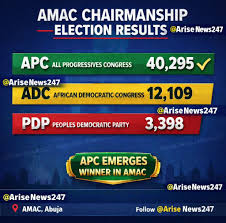
Fresh calls for introspection and strategic reform have emerged within the African Democratic Congress (ADC) following its performance in the recent Abuja Municipal Area Council (AMAC) elections, with stakeholders urging party leaders to adopt a more structured and deliberate approach to future contests.
Political observers and support groups aligned with the party say the outcome in AMAC—widely considered competitive terrain—should serve as a wake-up call for the party’s leadership. They argue that continued public goodwill and volunteer support cannot be taken for granted without demonstrable organisational competence and a clear electoral roadmap.
Concerns Over Strategy and Structure
Analysts note that elections require more than campaign rhetoric and public statements, emphasizing the importance of grassroots penetration, voter data mapping, sustained community engagement, and disciplined messaging.
According to party supporters and political commentators, when opposition parties appear hesitant or unprepared, it can dampen the morale of their base and weaken their competitiveness. They maintain that while independent support groups can amplify messaging and mobilise volunteers, they cannot replace a fully developed political structure capable of winning elections.
AMAC as a Case Study
The AMAC council election has been cited as an example of missed opportunity. Observers describe the council—an urban and semi-urban environment—as one where opposition parties could have mounted a stronger challenge with adequate coordination and preparation.
Concerns raised include alleged structural weaknesses, insufficient voter engagement, limited polling unit coverage, and inadequate outreach to rural and peri-urban communities. Some analysts argue that electoral outcomes are often determined long before voting day, through sustained groundwork, data gathering, and consistent presence at the grassroots level.
Support Groups Express Frustration
Independent political support groups across Nigeria have reportedly invested significant time and resources in mobilisation efforts, fundraising, town hall meetings, and digital advocacy. However, some members have expressed frustration, suggesting that party leadership must match grassroots enthusiasm with stronger coordination and year-round engagement.
Observers stress that opposition politics requires visible leadership, internal cohesion, candidate development, and proactive conflict resolution within party ranks.
Calls for Accountability and Reform
Political analysts note that accountability should apply not only to governing parties but also to those seeking to replace them. They argue that electoral support must be earned through measurable planning, transparent coordination, and consistent public engagement.
Among the recommendations being discussed are comprehensive post-election audits, ward-by-ward structural assessments, investment in permanent grassroots offices, strengthened rural outreach, and improved communication architecture.
Looking Ahead
As the next electoral cycle approaches, stakeholders say the ADC faces a pivotal moment. They argue that the party must transition from reactive opposition politics to a more structured and strategic alternative capable of inspiring confidence among voters.
The AMAC experience, they contend, underscores the broader lesson that political transformation requires sustained preparation, disciplined organisation, and deliberate leadership.
Whether the party will undertake the recommended reforms remains to be seen, but observers agree that the outcome may shape its future competitiveness in Nigeria’s evolving political landscape.


