

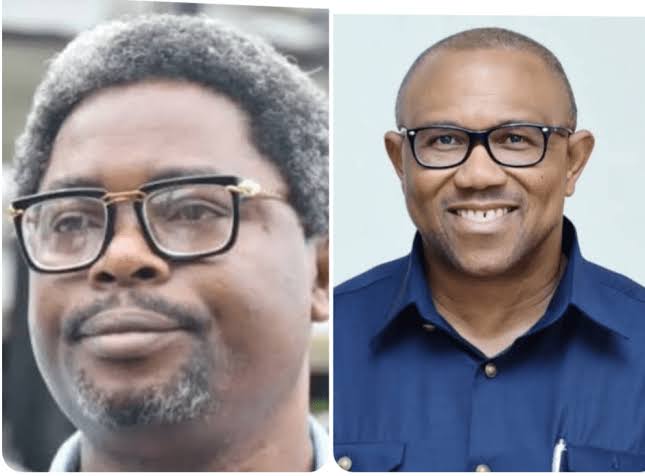
Lere Olayinka, Senior Special Assistant on Public Communication and Social Media to FCT Minister Nyesom Wike, has challenged former Anambra State Governor Peter Obi to honour his pledge to stop his presidential campaign if evidence emerges that his administration left outstanding debts.
Olayinka made the challenge after the Anambra State Government released documents it said showed loans and other financial liabilities inherited from previous administrations, including Obi’s tenure. The development has intensified the public dispute between Obi and the administration of Governor Chukwuma Soludo over the state’s finances.
Reacting to the documents in a post on X, Olayinka asked: “Now that evidence has been provided, will Peter Obi be a man of his words for once and stop campaigning as he promised?”
The Anambra Government, through its Commissioner for Information and Value Reorientation, Law Mefor, said records from the Debt Management Office showed that eight external borrowings remained outstanding after Obi left office in March 2014. The state said the balance of those loans stood at about N127.4 billion as of June 30, 2026, based on the prevailing official exchange rate.
The government also said the loans were associated with projects in areas including healthcare, education, agriculture and erosion control. It maintained that subsequent administrations had continued servicing the obligations.
Obi has rejected the allegations, maintaining that he left Anambra without unpaid salaries, pensions, gratuities or debts owed to contractors whose completed projects had been certified. He challenged the state government to provide evidence contradicting his position.
The disagreement is significant because Obi is seeking the Nigerian presidency in 2027, making his record as Anambra governor a subject of renewed political scrutiny.
Obi served as Anambra governor from 2006 to 2014, while Soludo became governor in 2022. The latest exchange has placed the state’s historical borrowing, debt servicing and financial records at the centre of a wider political debate ahead of the 2027 election.


