

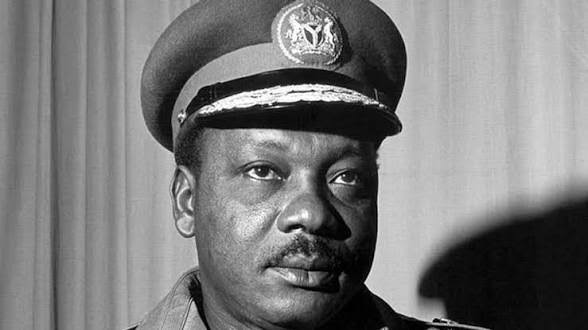
The family of Nigeria’s former Head of State, General Johnson Aguiyi-Ironsi, has reaffirmed that the late military leader dedicated his time in public service to preserving the country’s unity and ensuring political stability during one of its most turbulent periods.
In a statement, the family maintained that “our father devoted his life for Nigeria’s unity and stability,” describing him as a patriotic leader whose decisions were driven by the desire to keep Nigeria united despite the political tensions of the time.
According to the family, Aguiyi-Ironsi assumed office at a moment when the country faced deep political divisions and security challenges. They argued that his administration sought to prevent further unrest and strengthen national cohesion, even though some of his policies have remained subjects of historical debate.
The family’s remarks come amid renewed interest in the legacy of Nigeria’s early post-independence leaders and ongoing discussions about the events that shaped the nation’s political development. They appealed to Nigerians to examine Aguiyi-Ironsi’s contributions within the context of the circumstances he inherited rather than through contemporary political interpretations.
The statement is important because it adds to the broader national conversation on Nigeria’s history, leadership, and efforts toward reconciliation. Perspectives from the families of prominent historical figures often contribute to public understanding of key moments that continue to influence the country’s political and social landscape.
General Aguiyi-Ironsi became Nigeria’s first military Head of State in January 1966 following the country’s first military coup. His brief administration introduced major constitutional and administrative changes, including the Unification Decree, which generated significant controversy. He was overthrown and killed during the July 1966 counter-coup, an event that intensified political instability and paved the way for the Nigerian Civil War. Decades later, his leadership and legacy remain subjects of historical analysis and public debate.


