

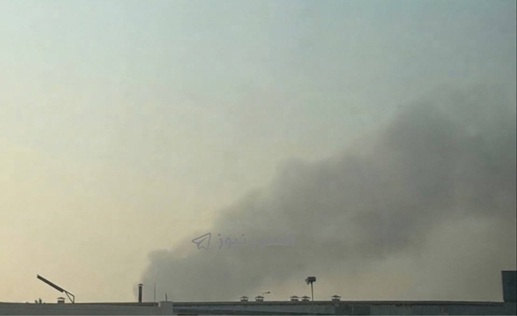
The conflict between the United States and Iran intensified dramatically on its sixth consecutive night as American forces launched fresh air and naval strikes against Iranian military targets near the strategic Strait of Hormuz, further heightening fears of a broader regional war and disruptions to global energy supplies.
According to military reports, U.S. forces targeted Iranian coastal defence positions, logistics facilities and military infrastructure in and around the southern port city of Bandar Abbas. The operation reportedly involved fighter aircraft, armed drones and warships operating in the Gulf, with Washington stating that the strikes were aimed at degrading Iran’s military capabilities and safeguarding international shipping through the vital waterway.
Iranian media reported that several key pieces of infrastructure were damaged during the attacks, including the Gariyeh and Kahurestan bridges, a railway station, a telecommunications tower and facilities near a regional airport. Authorities also reported that more than 35 people have been killed since the latest phase of hostilities began, although independent verification of the casualty figures remains unavailable.
The Strait of Hormuz remains one of the world’s most strategically important maritime corridors, with approximately one-fifth of global oil supplies passing through the narrow channel each day. The renewed military confrontation has therefore raised fresh concerns over the security of international shipping and the stability of global energy markets.
Iran responded to the latest American offensive by launching drones and ballistic missiles against U.S. military installations and allied facilities in Bahrain, Qatar, Kuwait and Oman. Iranian officials described the attacks as retaliatory measures against what they termed repeated acts of aggression by the United States, while maintaining that their military actions were directed at strategic targets rather than civilian populations.
U.S. military authorities said air defence systems intercepted a significant number of the incoming drones and missiles, although assessments of the full extent of damage to military installations were still ongoing.
The escalation follows renewed pressure from U.S. President Donald Trump, who demanded that Iran immediately abandon any attempts to disrupt navigation through the Strait of Hormuz. Washington has repeatedly accused Tehran of threatening international maritime trade by supporting actions that endanger commercial shipping in the Gulf.
Iran, however, has rejected those allegations, insisting that its military operations are defensive responses to repeated U.S. attacks on its territory and strategic assets. Iranian officials accused Washington of violating international law and further destabilising the Middle East through continued military intervention.
The latest exchange of hostilities has heightened concerns among regional governments and international observers that the conflict could spread beyond the Gulf, drawing additional countries into the confrontation and threatening wider economic stability.
Oil traders are closely monitoring developments, with analysts warning that any prolonged disruption to shipping through the Strait of Hormuz could significantly increase crude oil prices, worsen global inflation and affect international supply chains. Shipping companies have also begun reviewing security measures for vessels operating in the region amid growing fears of further attacks.
Diplomatic efforts by several international actors to secure a ceasefire have so far yielded little progress, as both Washington and Tehran continue to insist that military action is necessary to defend their respective strategic interests.
As the conflict enters another dangerous phase, security analysts warn that the absence of meaningful diplomatic engagement increases the risk of miscalculation and unintended escalation. With the Strait of Hormuz serving as a lifeline for global energy trade, the international community continues to watch developments closely, hoping that renewed diplomacy can prevent the crisis from expanding into a wider regional conflict with far-reaching economic and humanitarian consequences.


