

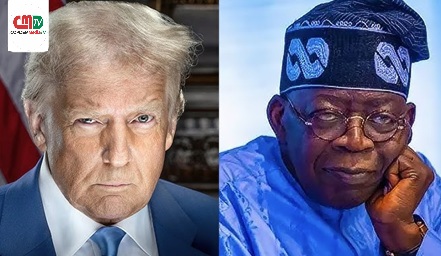
The United States House of Representatives has approved an amendment seeking to withhold U.S. assistance to Nigeria until the Federal Government demonstrates measurable progress in addressing attacks linked to religious persecution and extremist violence.
The amendment, passed on July 15 as part of deliberations on H.R. 8595, was sponsored by Representative Greg Steube, a Republican from Florida. It raises the proposed withholding of U.S. assistance under key foreign aid programmes from 50 per cent to 100 per cent, significantly increasing pressure on Nigeria to improve its response to insecurity.
Under the amendment, funding for selected economic support, development and security assistance programmes would remain suspended until the U.S. Secretary of State certifies that Nigeria has taken effective steps to curb attacks attributed to armed Fulani militias, Boko Haram and other jihadist groups.
The certification requirements include demonstrable progress in investigating and prosecuting those responsible for violent attacks, providing humanitarian assistance and compensation to victims, supporting the reconstruction of affected communities and implementing measures to prevent future violence.
Supporters of the amendment argued that stronger conditions are necessary to ensure accountability and encourage the Nigerian Government to intensify efforts to protect vulnerable communities facing persistent attacks.
Representative Steube said the legislation reflects growing concern within the U.S. Congress over the scale of violence affecting parts of Nigeria, particularly incidents involving religious communities. He maintained that American taxpayers’ funds should be linked to measurable improvements in human rights, security and the protection of civilians.
The proposed measure now proceeds to the United States Senate, where lawmakers will consider the bill before any final version can be approved. If passed by both chambers and signed into law, the restrictions would become part of U.S. foreign assistance policy toward Nigeria.
The amendment comes against the backdrop of a prolonged security crisis that has affected several regions of Nigeria over the past decade. Armed groups, including Boko Haram and other extremist organisations, have been responsible for thousands of deaths, mass displacement and the destruction of homes, schools, places of worship and other public infrastructure.
According to various conflict assessments, more than 53,000 people have lost their lives since 2009 as a result of insurgency, terrorism and related violence in parts of the country, with millions more displaced from their communities.
The House decision has generated mixed reactions. International advocacy organisations welcomed the amendment, describing it as a strong signal that the international community expects greater accountability and stronger protection for vulnerable populations. They argued that linking foreign assistance to measurable reforms could encourage more effective action against perpetrators of violence.
However, some Nigerians criticised the proposal, describing it as undue foreign interference in the country’s internal affairs. They argued that Nigeria remains capable of addressing its security challenges through its own institutions and warned that cutting assistance could adversely affect development projects and security cooperation benefiting ordinary citizens.
Political analysts note that the debate highlights the delicate balance between promoting accountability through international partnerships and respecting national sovereignty. They observe that while external pressure can encourage reforms, sustainable solutions to Nigeria’s security challenges will ultimately depend on effective governance, stronger security institutions, improved intelligence gathering and inclusive socio-economic development.
As the legislation moves to the U.S. Senate, attention will focus on whether the proposed aid restrictions are retained in the final bill. The outcome could have significant implications for future U.S.-Nigeria relations, bilateral security cooperation and international efforts to support peace and stability in Africa’s most populous nation.


