

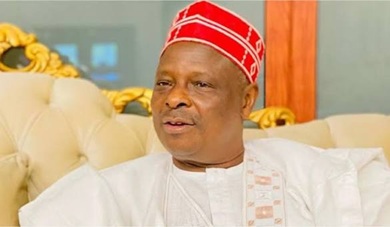
The vice presidential candidate of the Nigeria Democratic Congress (NDC), Dr. Rabiu Musa Kwankwaso, has called for the revival of the historic political alliance between Northern Nigeria and the South-East, describing it as a model that could foster national unity and strengthen democratic governance ahead of the 2027 general elections.
Kwankwaso made the appeal while addressing supporters and political stakeholders, urging Nigerians to draw lessons from the First Republic when the Northern People’s Congress (NPC) and the National Council of Nigerian Citizens (NCNC) formed Nigeria’s first coalition government under the leadership of Sir Ahmadu Bello and Dr. Nnamdi Azikiwe.
According to the former Kano State governor, the partnership between the two regions demonstrated that Nigeria’s diversity could be transformed into a source of political strength rather than division. He argued that national development requires cooperation among the country’s major regions and ethnic groups, rather than politics driven by sectional interests.
As the running mate to NDC presidential candidate Peter Obi, Kwankwaso said the party’s vision is to build a broad-based political movement capable of uniting Nigerians across religious, ethnic and regional lines. He maintained that combining Northern political influence with the entrepreneurial strength and support base of the South-East could create a formidable platform for national transformation.
Kwankwaso noted that the country’s current political and economic challenges demand inclusive leadership and renewed commitment to nation-building. He urged Nigerians to look beyond ethnic and religious differences when making electoral decisions in 2027, stressing that competence, integrity and a shared vision for development should remain the primary considerations.
The call has generated mixed reactions across the political landscape. Supporters praised the initiative as a statesmanlike effort to promote national cohesion and revive the spirit of inter-regional cooperation that characterised parts of Nigeria’s early democratic experience. They argued that the country’s unity can only be strengthened through genuine political partnerships that cut across regional boundaries.
However, critics questioned the timing and motive behind the appeal, describing it as a political strategy aimed at expanding electoral support rather than addressing the deeper structural issues affecting national integration. Some commentators accused Kwankwaso of appealing to regional sentiments while others argued that modern Nigerian politics requires issue-based campaigns rather than historical symbolism.
Political analysts believe the renewed emphasis on regional alliances reflects the growing importance of coalition-building ahead of the 2027 elections. They note that no major presidential candidate is likely to secure nationwide support without forging strategic partnerships capable of attracting votes from multiple geopolitical zones.
The development comes as the Nigeria Democratic Congress continues to face legal challenges over its registration and participation in the electoral process. Despite the ongoing court proceedings, party leaders have expressed confidence that the legal issues will be resolved before preparations for the next general election gather full momentum.
Observers say the latest statement by Kwankwaso signals the NDC’s determination to project itself as a national political platform rather than a regional movement. Whether the appeal translates into broader political support remains uncertain, but it has already reignited conversations about the role of historical alliances in shaping Nigeria’s contemporary politics.
As political parties intensify consultations and strategic realignments ahead of the 2027 polls, calls for greater national unity and cross-regional collaboration are expected to feature prominently in the campaigns of leading contenders seeking to persuade Nigerians that inclusive governance offers the best path toward stability, economic recovery and sustainable development.


