

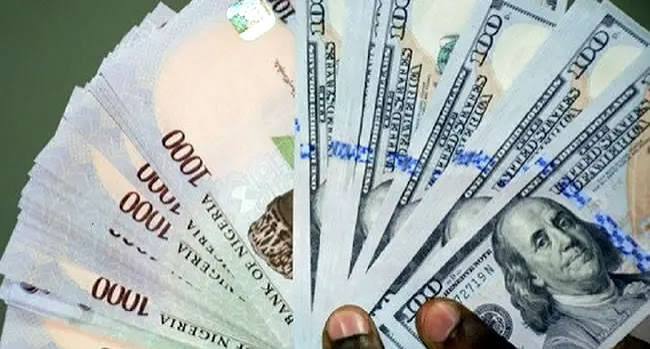
The Nigerian naira recorded a fresh depreciation against the United States dollar on Friday, July 10, 2026, amid sustained demand for foreign exchange and ongoing pressure in the country’s currency market.
The latest movement in the exchange rate reflects continued volatility in Nigeria’s foreign exchange market, where businesses, importers, and investors have been closely monitoring the value of the naira. Analysts attribute the decline to persistent demand for dollars, limited foreign exchange supply, and broader macroeconomic factors influencing the market.
Currency dealers said the depreciation underscores the challenges facing the naira despite ongoing reforms by the Central Bank of Nigeria (CBN) aimed at improving liquidity and attracting foreign investment. The apex bank has continued to implement policies designed to stabilize the foreign exchange market, enhance transparency, and reduce exchange rate distortions.
Financial experts note that fluctuations in the dollar-to-naira exchange rate have significant implications for Nigeria’s import-dependent economy. A weaker naira often translates into higher costs for imported goods, raw materials, and industrial equipment, increasing production expenses and putting upward pressure on consumer prices.
Businesses across key sectors, including manufacturing, aviation, pharmaceuticals, and retail, continue to monitor exchange rate trends as currency movements affect operating costs and pricing decisions. Consumers are also feeling the impact through rising prices of imported products and services.
Despite the latest depreciation, economists believe sustained improvements in foreign exchange inflows, increased crude oil production, stronger non-oil exports, and consistent monetary policies could support the naira over the medium term. They also stress the importance of boosting local production to reduce Nigeria’s reliance on imports and strengthen the domestic economy.
Market observers expect the CBN to continue monitoring developments in the foreign exchange market while introducing measures aimed at improving investor confidence and maintaining financial stability.
The performance of the naira against the dollar remains a key indicator closely watched by businesses, investors, and policymakers as Nigeria seeks to strengthen economic growth and stabilize its currency.


