

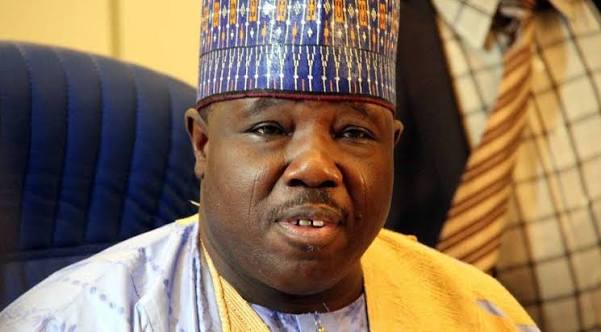
Senator Victor Umeh has criticised former Borno State Governor Ali Modu Sheriff over his remarks concerning Labour Party presidential candidate in the 2023 election, Peter Obi, describing the former governor’s political approach as outdated.
Umeh, a prominent member of the Labour Party, made the comments while responding to Sheriff’s recent assessment of Obi’s political influence. According to the senator, Nigeria’s political landscape has evolved significantly, making traditional methods of political mobilisation less effective in today’s democratic environment.
He argued that the emergence of Peter Obi and the widespread support generated by the Obidient Movement demonstrated a shift in how Nigerians, particularly young people, engage in politics. Umeh maintained that modern political participation is increasingly driven by ideas, public engagement, and voter awareness rather than conventional political structures.
The senator added that dismissing the influence of Obi and his supporters fails to recognise the changing dynamics of Nigerian politics. He insisted that recent elections showed that citizens are becoming more interested in issue-based campaigns and accountability.
Ali Modu Sheriff had reportedly questioned Obi’s political strength, prompting reactions from Labour Party supporters and political commentators. The exchange has reignited debate over the future of Nigeria’s political system and the growing influence of youth-led political movements.
Peter Obi remains one of Nigeria’s most discussed political figures following the 2023 general elections, with his supporters continuing to advocate for governance reforms, transparency, and greater citizen participation in public affairs.
Political analysts believe the latest war of words reflects the ongoing rivalry between established political actors and emerging voices seeking to reshape Nigeria’s democratic process.
As the country moves closer to future electoral contests, debates surrounding political leadership, voter behaviour, and party structures are expected to intensify.
Umeh’s remarks have added another dimension to the conversation, underscoring the growing contest between traditional political practices and the evolving expectations of a new generation of Nigerian voters.


