

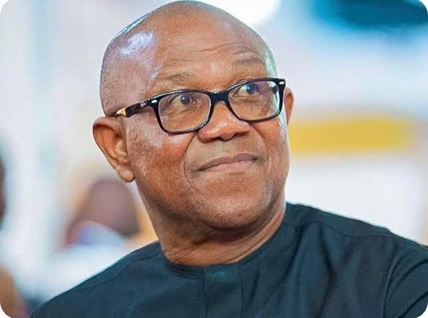
Peter Obi has outlined his vision for a productive and prosperous Nigeria, pledging sweeping reforms in education, healthcare, and human capital development as the cornerstone of his proposed administration.
In a statement released on July 1, Obi, the presidential candidate of the Nigeria Democratic Congress (NDC), said his roadmap for governance would focus on restoring national unity, improving citizens’ quality of life, and laying the foundation for sustained economic growth.
According to him, the proposed agenda is anchored on the principles of unity, inclusion, social justice, equity, and the freedom of every Nigerian to pursue lawful aspirations.
Obi identified education and healthcare as the most critical investments for national development, describing robust human capital as the indispensable infrastructure needed to drive economic expansion, improve public services, and unlock the potential of Nigeria’s youthful population.
A major priority, he said, would be tackling the growing number of out-of-school children through the establishment of a dedicated national task force immediately upon assuming office.
The former Anambra governor also pledged to strengthen Technical and Vocational Education and Training (TVET), arguing that Nigeria’s industrialisation depends on producing a highly skilled workforce capable of supporting manufacturing, agriculture, and value-added industries.
He proposed expanding funding for TVET institutions through partnerships involving government, the private sector, and faith-based educational organisations. Drawing inspiration from Germany’s dual education system, Obi said vocational training should be closely linked with apprenticeships in industry to equip young Nigerians with practical, job-ready skills.
Obi argued that Nigeria must address the paradox of high unemployment alongside shortages of skilled labour that have compelled many entrepreneurs to establish businesses outside the country.
He further advocated a transition from a consumption-driven economy to a production-driven one by developing industrial parks across the country’s geopolitical zones and leveraging Nigeria’s agricultural resources through value addition.
Beyond economic reforms, Obi pledged to prioritise character and civic education, saying values such as integrity, trust, patriotism, and responsible leadership are essential for building strong institutions and promoting national cohesion.
He noted that these initiatives would form part of a broader governance framework designed to promote accountability, reduce abuse in government, and create an environment where all Nigerians can contribute meaningfully to national development.
Concluding the statement, Obi reiterated his long-standing message of optimism, expressing confidence that with disciplined leadership, strategic investment in human capital, and inclusive governance, Nigeria can achieve lasting peace, prosperity, and sustainable development.


