

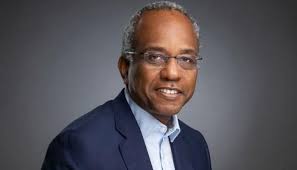
Economist and politician Funso Doherty has officially accepted the nomination of the Nigeria Democratic Congress (NDC) to contest the 2027 Lagos State governorship election, setting the stage for what is expected to be a highly competitive political battle in Nigeria’s commercial capital.
Doherty, who emerged as a notable opposition figure during the 2023 Lagos governorship election, confirmed his acceptance of the NDC nomination amid growing political realignments ahead of the next electoral cycle. His decision marks another chapter in his political journey as he seeks to challenge the dominance of established parties in the state.
The NDC, a relatively new political platform established in 2026, has positioned itself as an alternative voice for Nigerians seeking fresh approaches to governance and economic development. Party leaders believe Doherty’s background in economics, finance, and public policy makes him a strong candidate capable of addressing the challenges confronting Lagos residents.
In accepting the nomination, Doherty reportedly expressed appreciation to party members and supporters, pledging to offer a vision centered on transparency, accountability, economic opportunity, and improved public services.
Political observers note that Lagos remains one of the most important political battlegrounds in Nigeria due to its status as the nation’s economic hub and most populous urban center. The state’s enormous economic influence often makes its elections closely watched by political stakeholders across the country.
Doherty gained national attention during the 2023 governorship race, where he campaigned on issues such as fiscal responsibility, efficient public spending, housing affordability, transportation reform, and government accountability. Although he did not win the election, his performance earned him recognition among many young voters and reform-minded citizens.
The announcement of his 2027 candidacy has already generated significant discussion on social media and within political circles. Supporters argue that his experience as an economist and policy analyst positions him well to address the complex challenges facing Lagos, including rising living costs, traffic congestion, housing shortages, unemployment, and infrastructure deficits.
Many online supporters, including individuals associated with the political movement that backed Peter Obi during previous elections, quickly welcomed the development. Several commentators described Doherty as a credible alternative capable of introducing new ideas into Lagos politics.
The NDC has also emphasized the need for innovative solutions to economic challenges affecting residents. Party officials argue that inflation, high housing costs, and declining purchasing power have increased the burden on households and businesses throughout the state.
According to the party, Lagos requires leadership that prioritizes sustainable urban planning, job creation, investment in public infrastructure, and policies aimed at improving the quality of life for residents.
Meanwhile, political analysts predict that the 2027 governorship contest could feature several prominent candidates from different political parties. Among the names already generating attention are Deputy Governor Obafemi Hamzat of the ruling All Progressives Congress (APC) and Gbadebo Rhodes-Vivour, who remains a significant opposition figure and is reportedly associated with the African Democratic Congress (ADC).
The prospect of a multi-party contest has fueled speculation about potential alliances, voter behavior, and shifting political dynamics in Lagos. Analysts believe the election could serve as a test of whether emerging political movements can effectively challenge the longstanding influence of dominant parties in the state.
Observers also point to demographic changes and growing political awareness among younger voters as factors that may influence the outcome of future elections. Issues such as affordable housing, transportation, healthcare, education, security, and economic opportunities are expected to feature prominently in campaign discussions.
Despite the early stage of the race, Doherty’s acceptance of the NDC nomination signals the beginning of intensified political activity ahead of 2027. Supporters see his candidacy as an opportunity to advance policy-driven governance, while critics argue that newer parties still face significant organizational and electoral challenges.
As preparations for the next election cycle gradually take shape, Lagos residents are likely to witness increased political engagement and debate over the future direction of the state. For now, Doherty’s entry into the race has added another influential voice to what promises to be one of Nigeria’s most closely watched governorship contests.


