

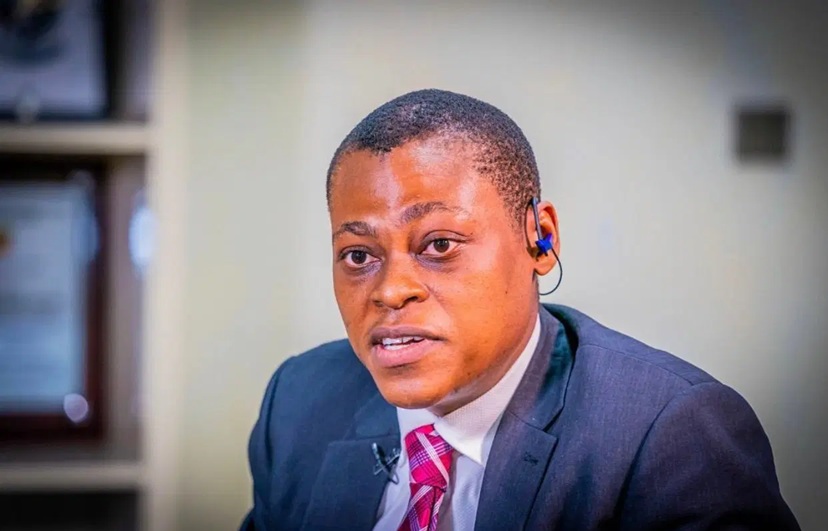
A heated debate over the political prospects of former Vice President and African Democratic Congress (ADC) presidential candidate, Atiku Abubakar, has highlighted the growing contest ahead of Nigeria’s 2027 general elections.
The debate occurred during a political discussion involving journalist and broadcaster Rufai Oseni and publisher and politician Dele Momodu, where both men presented opposing views on Atiku’s chances of securing victory in the presidential race.
Oseni questioned whether Atiku could meet the constitutional requirement of securing at least 25 per cent of the votes cast in two-thirds of Nigeria’s states and the Federal Capital Territory, Abuja, suggesting that the former vice president may face difficulties in achieving the required spread of support, particularly in some northern states.
In response, Momodu expressed confidence in Atiku’s electoral strength, insisting that the former vice president remains a dominant political force in Northern Nigeria and would secure the necessary support across different regions of the country.
He dismissed arguments suggesting that other opposition candidates, particularly former Anambra State governor and NDC presidential candidate, Peter Obi, posed the greatest challenge to Atiku’s ambition.
According to Momodu, Atiku’s extensive political experience, nationwide network, and previous electoral performances place him in a strong position to compete effectively for the presidency.
The exchange reflects the increasing political calculations and strategic debates taking place as Nigeria approaches what is expected to be a highly competitive three-way contest in 2027.
The election is expected to feature incumbent President Bola Ahmed Tinubu and the ruling All Progressives Congress (APC), Atiku and the ADC, and Peter Obi with the Nigeria Democratic Congress (NDC), creating a contest that could reshape Nigeria’s political landscape.
Political observers note that electoral success in Nigeria depends not only on winning a large number of votes but also on achieving the constitutional spread across different states, making regional alliances and national appeal crucial factors for all candidates.
The debate also revisits the dynamics of the 2023 presidential election, where opposition votes were divided among major contenders, a development that contributed to the eventual outcome of the race.
Analysts believe that the political strength of each candidate, party structures, campaign strategies, and the ability to attract undecided voters will play decisive roles in determining the result of the 2027 election.
Supporters of Atiku argue that his long-standing political presence and established networks give him a significant advantage, while his critics contend that changing voter demographics and emerging political movements could alter traditional voting patterns.
Similarly, supporters of Obi point to his youthful support base and reform-focused message, while the ruling APC maintains confidence in President Tinubu’s political machinery and record in office.
As campaigns gradually gather momentum, discussions such as the Oseni-Momodu exchange illustrate the intense scrutiny and competing narratives that will shape Nigeria’s political discourse in the months leading to the 2027 presidential election.
For now, the debate remains speculative, with the ultimate verdict resting with Nigerian voters when they head to the polls.


