

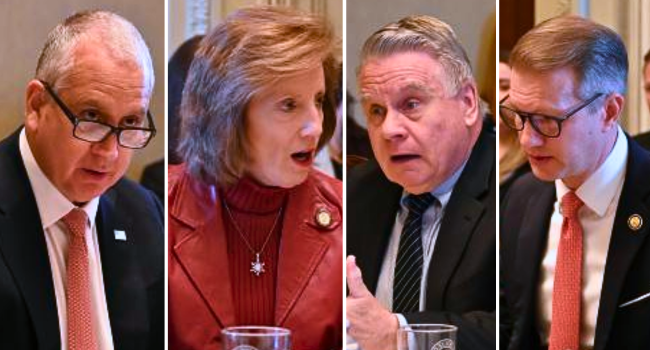
The international community has been urged not to overlook the persistent violence against Christian communities in Nigeria, following renewed concerns raised by a member of the United States Congress.
US Congressman Riley Moore called on world leaders, human rights organizations, and global institutions to pay closer attention to what he described as the persecution and killing of Christians in Nigeria.
Moore made the appeal in a post shared on his verified X account, where he expressed concern over the continued attacks targeting predominantly Christian communities in parts of the country.
His comments came amid growing outrage over the deadly attack on Yelewata community in Guma Local Government Area of Benue State, where suspected armed herdsmen reportedly killed more than 200 residents. The massacre has renewed debates about insecurity, religious violence, and the protection of vulnerable communities across Nigeria.
According to reports, the attack left scores of people dead, displaced families, and widespread destruction of homes and property. Survivors described the incident as one of the deadliest attacks recorded in the area in recent years.
Reacting to the tragedy, Moore stressed that the world must not remain silent in the face of repeated violence against Christians in Nigeria. He argued that the international community has a responsibility to acknowledge the scale of the crisis and support efforts aimed at protecting affected populations.
“The world must not forget the Christian genocide happening in Nigeria,” the congressman stated in his post, drawing attention to what he believes is a worsening humanitarian and security situation.
The lawmaker’s remarks have added to growing international concern over recurring attacks in Nigeria’s Middle Belt region, particularly in Benue State, where clashes involving armed groups, bandits, and suspected herdsmen have led to significant loss of life over the years.
Benue State, often referred to as Nigeria’s “Food Basket,” has witnessed repeated episodes of violence that have displaced thousands of residents and disrupted agricultural activities. Security experts and rights advocates have repeatedly called for stronger government intervention to address the root causes of the conflict and prevent further bloodshed.
The Yelewata attack has also sparked reactions from political leaders, civil society groups, and religious organizations, many of whom have demanded justice for the victims and improved security measures across affected communities.
Human rights groups have consistently raised concerns about the humanitarian impact of the violence, warning that continued attacks could worsen displacement, food insecurity, and social instability in the region.
While Nigerian authorities have pledged to investigate attacks and bring perpetrators to justice, critics argue that more decisive action is needed to curb the recurring violence and restore confidence among residents living in vulnerable communities.
The latest comments by Congressman Moore are expected to further amplify international discussions surrounding insecurity in Nigeria and the need for stronger protection of religious and ethnic minorities. Observers say global attention could increase pressure on stakeholders to prioritize lasting solutions to the crisis.
As investigations into the Yelewata killings continue, affected families and community leaders are calling for urgent intervention to prevent future attacks and ensure accountability for those responsible.
The tragedy has once again highlighted the broader security challenges facing Nigeria and the growing calls for coordinated local and international efforts to safeguard lives, protect communities, and promote lasting peace in the country.


