

A video of comments made in 2021 by veteran politician Abubakar Kawu Baraje has resurfaced online, reigniting discussions about the origins of insecurity, border management, and ethnic tensions in Nigeria.
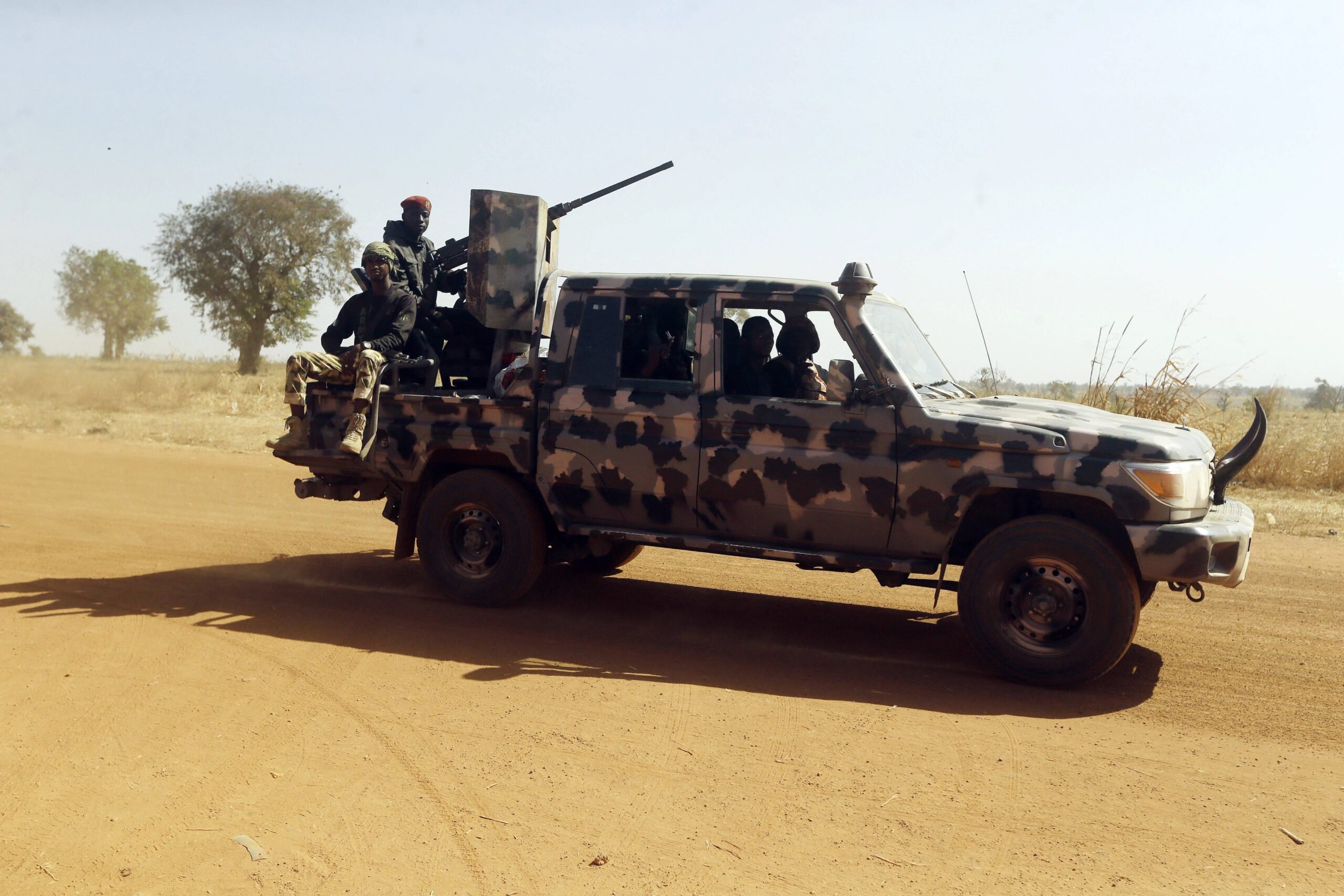
In the remarks, reportedly made during activities marking his 70th birthday in Ilorin, Kwara State, Baraje alleged that Fulani individuals from neighboring countries, including Niger, Chad, Mali, Senegal, and Sierra Leone, were brought into Nigeria during the 2015 election period and subsequently remained in the country. He linked the alleged influx to growing insecurity, including herder-farmer conflicts and armed violence in parts of the country.
Baraje also questioned how pastoral communities that traditionally carried sticks and herding tools had come to possess sophisticated firearms, arguing that the development required serious investigation. He further expressed support for efforts by state governments to protect communities facing security threats.
The resurfaced clip has generated fresh reactions on social media and in political circles. Some commentators have called for investigations into Nigeria’s porous borders and the movement of armed groups across the Sahel region. Others have argued that the remarks raise legitimate concerns about regional security and cross-border crime.
However, there is no publicly available evidence substantiating the specific claim that foreign Fulani populations were imported to influence the 2015 elections. Baraje later distanced himself from some interpretations of the remarks and reportedly described certain reports surrounding the controversy as inaccurate or misleading.
Security experts generally caution against reducing Nigeria’s insecurity challenges to a single cause. Analysts point to a combination of factors, including weak border control, arms trafficking, poverty, climate pressures, competition over land and resources, criminal networks, and the activities of extremist groups such as Boko Haram and its splinter factions.
The debate also touches on a broader issue frequently raised by civic leaders and security researchers: the danger of attributing criminal actions to entire ethnic groups. Many observers argue that while criminal actors should be identified and prosecuted, broad ethnic labeling risks deepening divisions and undermining national cohesion.
As discussions continue, the resurfaced video serves as a reminder of the complex and politically sensitive nature of Nigeria’s security challenges. It also highlights the importance of evidence-based analysis when addressing questions involving ethnicity, migration, elections, and national security.
While the comments have once again entered public discourse, the underlying issues of insecurity, border management, and social cohesion remain among the most significant challenges confronting Nigeria today.


