

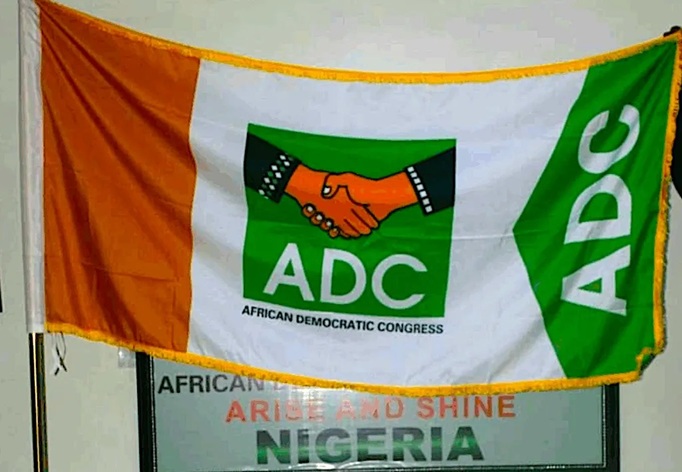
The African Democratic Congress (ADC) is facing a deepening internal crisis following its disputed presidential primary, with rival factions, competing candidates, and legal battles threatening the party’s cohesion ahead of the 2027 general elections.
The turmoil began after former Vice President Atiku Abubakar emerged from a direct primary election conducted by one faction of the party. Atiku’s camp announced that he secured a decisive victory over rivals, positioning him as the ADC’s presidential candidate for 2027.
However, the result was immediately challenged by other aspirants, including Rotimi Amaechi, who rejected the outcome and alleged widespread voter disenfranchisement, irregularities, vote-buying, and manipulation of results. Amaechi insisted that a large percentage of registered party members were unable to participate in the exercise and described the announced results as unacceptable.
Another aspirant, Mohammed Hayatu-Deen, also distanced himself from the process, reportedly boycotting parts of the collation exercise and raising concerns about transparency.
Compounding the crisis, a rival ADC faction held a separate convention in Abuja and adopted Dumebi Kachikwu as its presidential candidate. The faction simultaneously rejected the authority of the party leadership overseeing Atiku’s primary and claimed legal backing for its actions.
The situation has left the party with competing claims to leadership and candidacy, creating uncertainty over who ultimately represents the ADC in the 2027 presidential race.
The crisis has also triggered a wave of defections and political realignments. Earlier, prominent figures such as Peter Obi and Rabiu Musa Kwankwaso departed the ADC, citing internal disputes and organizational instability before joining the Nigeria Democratic Congress (NDC).
Political analysts warn that the continuing infighting could significantly weaken the ADC’s ability to present itself as a credible opposition platform. They note that prolonged litigation, leadership disputes, and contested primaries often distract parties from policy development, grassroots mobilization, and campaign preparation.
Attention is now turning to the Independent National Electoral Commission (INEC) and the courts, which may eventually be called upon to determine which faction has legal recognition and whose candidate should appear on the ballot.
For many observers, the ADC’s troubles reflect a broader challenge facing opposition politics in Nigeria: balancing competing ambitions while building a united platform capable of mounting an effective challenge in national elections.
Unless a reconciliation effort succeeds, the post-primary crisis could continue to overshadow the party’s preparations for the 2027 contest and further fragment the opposition landscape.


