
The reported abduction of 39 schoolchildren and their continued captivity for nearly two weeks raises profound questions about leadership, governance, and national priorities. At a time when families are living through unimaginable pain and uncertainty, many Nigerians are asking whether those in positions of authority fully appreciate the gravity of the insecurity crisis confronting the country.
Critics argue that the foremost responsibility of any government is the protection of lives and property. When children are unable to return home safely from school, when parents spend sleepless nights waiting for news of their loved ones, and when communities live in fear of the next attack, national attention should be firmly focused on rescue efforts, security interventions, and support for affected families.
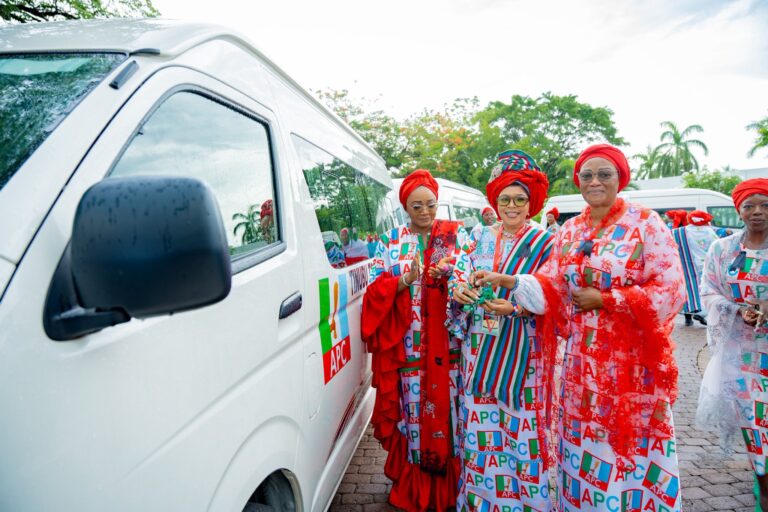
It is against this backdrop that some Nigerians have questioned the appropriateness of advocacy or programmes directed at providing vehicles and other benefits to APC state women leaders instead of pushing for safe return of school children to their families and a drastic action to end terrorism in Nigeria. Their concern is not necessarily about the legitimacy of political empowerment initiatives, but about timing, priorities, and public perception.
Many citizens ask: what moral justification can there be for focusing public attention on vehicles for party leaders while dozens of schoolchildren remain in the hands of kidnappers? Whether fair or unfair, such developments create the impression that the political class is insulated from the daily fears and hardships experienced by ordinary Nigerians.
The criticism reflects a broader sentiment that government officials must demonstrate empathy not only through words but through visible action. In moments of national distress, symbolism matters. Citizens expect leaders to be seen championing the rescue of victims, strengthening security architecture, and reassuring frightened communities that their government stands firmly with them.
For critics of the administration of Bola Ahmed Tinubu, such controversies reinforce their belief that the ruling All Progressives Congress has become increasingly disconnected from the realities confronting ordinary Nigerians. They argue that while political actors focus on partisan interests and elite concerns, millions of citizens continue to grapple with insecurity, economic hardship, unemployment, and declining living standards.
The measure of leadership is often revealed during moments of crisis. When children are held captive, when families are desperate for answers, and when communities are gripped by fear, the public expects every arm of government to demonstrate urgency, compassion, and unwavering commitment to the protection of human life.
Ultimately, the debate is about more than vehicles, politics, or party structures. It is about whether the nation’s leaders are sufficiently aligned with the concerns of the people they govern. For many Nigerians, no political program, no ceremonial event, and no partisan initiative should overshadow the urgent task of ensuring that every kidnapped child is safely reunited with their family.
Until that happens, questions about priorities, accountability, and leadership will continue to dominate the national conversation.
When 39 Schoolchildren Remain in Captivity While Oluremi Tinubu advocates for APC women leaders vehicles

- Advertisement -

