

Fresh debate has emerged within Nigeria’s opposition ranks over the possibility of forming a united front against President Bola Tinubu in the 2027 presidential election.
The discussion gained momentum after political analyst Sam Amadi argued that opposition parties should rally behind Peter Obi as a consensus candidate if they hope to mount a credible challenge to the ruling All Progressives Congress (APC).
Amadi’s comments sparked intense reactions across political circles and social media, exposing deep divisions among opposition supporters. While some endorsed Obi as the most viable opposition figure, others argued that former Vice President Atiku Abubakar possesses greater political experience and a broader national network.
A third group advocated negotiated primaries or a coalition arrangement that would allow opposition parties to select a single candidate through consensus rather than public rivalry.
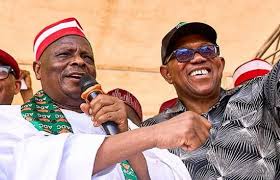
The debate comes amid significant political realignments ahead of the 2027 election. Obi recently left the crisis-ridden ADC and joined the Nigeria Democratic Congress (NDC), where he emerged as the party’s presidential candidate alongside running mate Rabiu Musa Kwankwaso.
Atiku, meanwhile, remains a leading figure within the opposition and has emerged from a contested presidential process within the African Democratic Congress (ADC), although disagreements over the legitimacy of that process continue to generate controversy.
On the ruling party side, Tinubu has already secured the APC presidential ticket and is expected to seek a second term.
Political observers note that one of the opposition’s biggest challenges remains the possibility of vote fragmentation. With several major opposition figures commanding dedicated support bases, multiple candidacies could divide anti-incumbent votes and reduce the chances of defeating the ruling party.
Many commentators have referenced previous coalition efforts, including the so-called “Ibadan Declaration,” which sought to foster opposition cooperation but ultimately failed to produce a unified platform.
Supporters of a coalition argue that opposition leaders must prioritize electoral victory over personal ambition. Critics, however, maintain that unity cannot be imposed and that any alliance must be built on fairness, mutual respect, and a credible power-sharing arrangement.
As preparations for the 2027 elections gather pace, the question of whether Nigeria’s opposition can unite behind a common candidate—or remain divided among competing platforms—continues to be one of the most significant issues shaping the country’s political landscape.


