

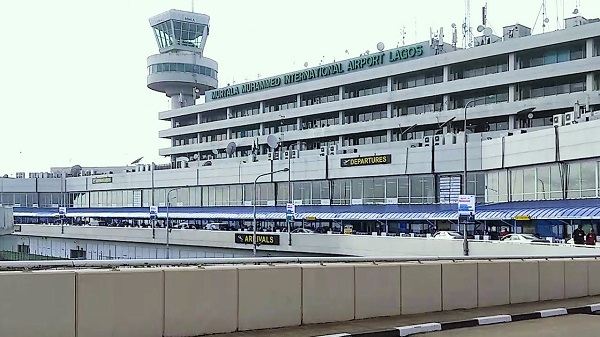
Nigerian singer Skales has ignited widespread public debate after alleging that security personnel operating around Murtala Muhammed International Airport routinely target young Nigerians driving luxury vehicles for harassment and extortion.
The allegations surfaced in a social media post shared by the artist on Sunday, where he accused uniformed officers of intimidating drivers and passengers near the airport in an attempt to obtain unofficial cash payments.
In his post, Skales directly tagged the Nigerian Army while expressing frustration over what he described as repeated incidents involving young people being stopped and pressured for money.
However, many online users quickly clarified that the officers allegedly involved were more likely personnel attached to the Nigerian Air Force, which plays a major role in airport security operations around the facility.
The controversy has once again drawn national attention to longstanding complaints about aggressive checkpoint operations and alleged extortion around Nigeria’s busiest international airport.
Social Media Post Triggers Public Reactions
Skales’ comments quickly spread across social media platforms, generating strong reactions from Nigerians who either supported his claims or shared personal experiences involving airport security checkpoints.
The singer alleged that security officers frequently single out young Nigerians driving expensive vehicles, particularly during nighttime operations around the airport.
According to him, travelers and drivers are often delayed, questioned aggressively, or pressured into making cash payments before being allowed to proceed.
The artist’s allegations resonated with many Nigerians online who claimed to have experienced similar treatment in Lagos and other parts of the country.
Several social media users described incidents involving prolonged searches, seizure of car keys, or demands for “settlement” money by officers stationed near airport roads.
Questions Over Security Agency Involved
Although Skales initially directed his complaints toward the Nigerian Army, many commenters insisted that airport security responsibilities in the area are more closely associated with the Nigerian Air Force.
The correction sparked additional discussions online about the roles played by different security agencies operating around Murtala Muhammed International Airport.
Nigeria’s busiest aviation hub hosts multiple security bodies tasked with ensuring safety, monitoring access routes, and preventing criminal activity within and around the airport environment.
Because of the airport’s strategic importance, armed personnel are commonly seen conducting patrols and vehicle inspections at various checkpoints.
However, public complaints about excessive stop-and-search operations and unofficial payment demands have persisted for years.
No Official Response From Authorities
As public discussion intensified, neither the Nigerian Army nor the Nigerian Air Force had released an official statement responding to the allegations.
Airport authorities also remained silent regarding the claims circulating online.
The lack of immediate clarification fueled further debate, with many Nigerians demanding greater transparency and accountability from security agencies operating around public infrastructure.
Some social media users called for investigations into the allegations, while others urged victims to formally document incidents and submit complaints through official channels.
Airport Security Practices Under Spotlight
The latest controversy has renewed focus on security practices at Murtala Muhammed International Airport, one of West Africa’s busiest transportation hubs.
The airport serves thousands of domestic and international travelers daily and remains a critical gateway for business, tourism, and diplomatic activities.
As a result, security around the airport is typically tight, with personnel conducting routine inspections, vehicle checks, and surveillance operations.
However, critics argue that some officers misuse these powers to intimidate motorists or demand unofficial payments.
Travelers have repeatedly complained over the years about encounters involving aggressive questioning, unnecessary delays, and pressure to provide money during late-night movements around the airport.
Observers note that such experiences can negatively affect both citizens and international visitors arriving in the country.
Nigerians Debate Security Versus Harassment
The issue generated divided opinions across social media and public commentary platforms.
Some Nigerians defended strict airport security operations, arguing that officers face growing pressure to combat crime, smuggling, and other security threats.
Supporters of tougher enforcement insisted that security checks are necessary to protect critical national infrastructure.
Others, however, maintained that legitimate security measures should not become opportunities for extortion or harassment.
Critics argued that aggressive checkpoint practices damage public trust in security institutions and create unnecessary tension between citizens and law enforcement personnel.
Several users also highlighted concerns that young Nigerians driving luxury cars are frequently profiled because of assumptions linked to wealth or social status.
Celebrity Voices Increasingly Shape Public Debate
Skales’ involvement significantly amplified national attention surrounding the allegations.
Celebrities in Nigeria have increasingly used their platforms to speak on issues involving governance, policing, corruption, and public accountability.
Because of their visibility and large audiences, public figures often influence national conversations and bring attention to complaints that might otherwise receive limited coverage.
Analysts say celebrity interventions can sometimes pressure institutions into responding more quickly to public concerns.
In this case, Skales’ comments transformed a routine social media complaint into a broader national discussion about airport security conduct and institutional accountability.
Longstanding Concerns Over Extortion
Complaints involving alleged extortion by security personnel are not unique to airport environments in Nigeria.
Human rights groups and civil society organizations have documented similar allegations involving roadside checkpoints, traffic enforcement units, and other security operations across the country.
Although security agencies have periodically announced reforms and disciplinary measures, public skepticism remains widespread.
Transportation hubs such as airports often attract particular attention because they involve high volumes of travelers and regular interactions between security personnel and civilians.
Analysts argue that maintaining professionalism in such locations is important not only for public trust but also for Nigeria’s international image.
Calls for Reforms and Oversight
Following the latest allegations, many Nigerians online called for stronger oversight mechanisms to monitor airport security operations.
Suggestions included improved complaint systems, increased use of surveillance cameras, mandatory identification for officers, and stricter disciplinary measures against personnel found guilty of misconduct.
Others recommended regular training programs focused on professionalism, public engagement, and human rights standards.
Some commentators also urged authorities to create more transparent procedures for vehicle inspections and checkpoint operations around airports.
Wider Questions About Public Trust
Beyond the immediate controversy, the debate surrounding Skales’ comments reflects deeper public concerns about trust in security institutions.
Analysts say repeated allegations involving harassment and unofficial payments contribute to growing frustration among citizens already dealing with economic pressure and insecurity.
Many Nigerians reacting online argued that transparent investigations and visible accountability measures are necessary to rebuild confidence in public institutions.
For critics, the controversy highlights broader frustrations about everyday interactions between ordinary citizens and authority figures in public spaces.
As discussions continue, many Nigerians are now waiting to see whether the security agencies involved will address the allegations or announce measures aimed at improving public confidence and airport security operations.


