

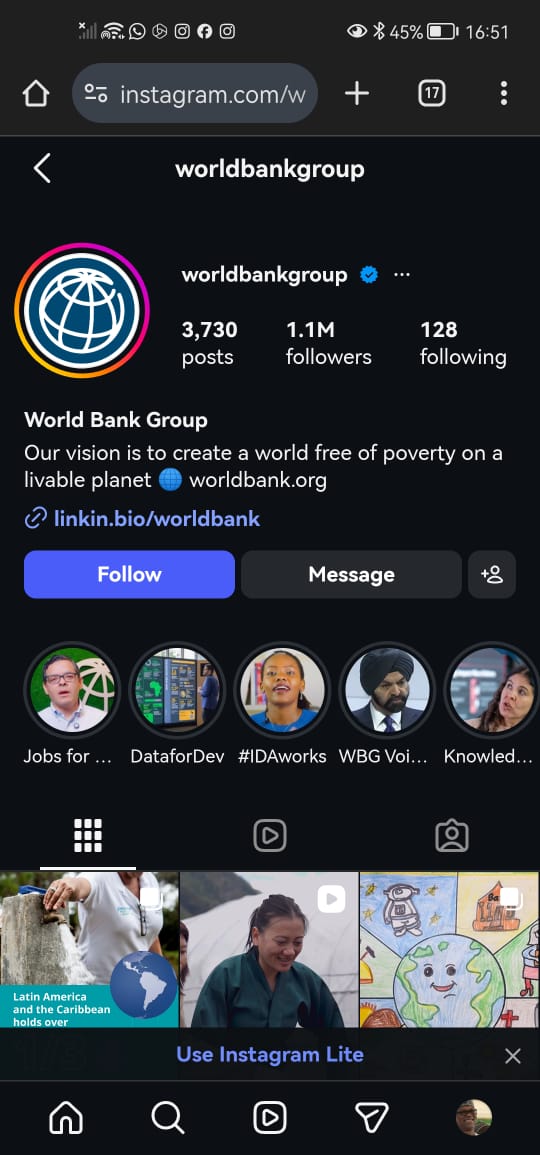
The growing controversy surrounding Nigeria’s rising debt profile took a dramatic turn online after angry Nigerians reportedly stormed the social media pages of the World Bank to protest continued loans to the administration of President Bola Ahmed Tinubu.
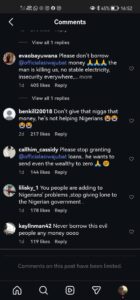
The backlash intensified following renewed discussions over billions of dollars in loans approved for Nigeria since 2023, with many citizens expressing fears over the country’s increasing debt burden and worsening economic hardship.
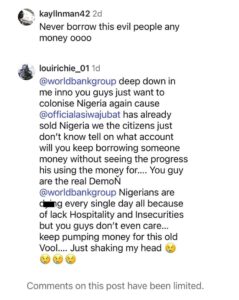
Social media users particularly targeted the World Bank’s official pages, demanding that the institution halt further lending to Nigeria until there is greater transparency and accountability regarding the utilisation of previous loans.
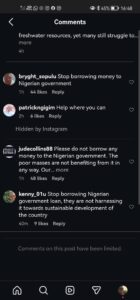
According to online reports circulating widely, the World Bank allegedly restricted or locked comments on some of its social media platforms after being overwhelmed by reactions from Nigerians criticising the continued approval of loans for the country.
The outrage comes amid persistent public debate over the Federal Government’s borrowing strategy, with critics questioning why Nigeria continues to accumulate debt despite rising inflation, high unemployment, worsening living conditions, and mounting debt servicing obligations.
Many Nigerians online linked the development to broader dissatisfaction with the current administration, drawing comparisons between past political controversies and current economic realities. Some commentators sarcastically referenced issues ranging “from Chicago State University to the World Bank,” suggesting that controversies surrounding the President have continued to follow his administration into international financial discussions.
While supporters of the government argue that many of the loans are targeted at critical sectors such as infrastructure, healthcare, education, agriculture, and social investment, critics insist that ordinary Nigerians are yet to feel the impact of the massive borrowings.
Economic analysts, however, maintain that development financing itself is not unusual for emerging economies, but stress that transparency, prudent management, and visible results remain essential to maintaining public confidence.
As public frustration grows, the debate over Nigeria’s debt sustainability and economic direction continues to dominate national discourse both online and offline.


