

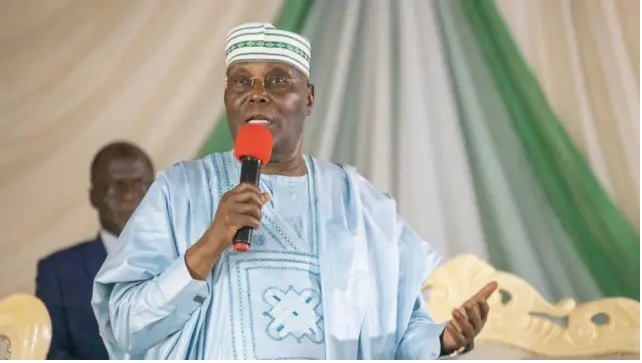
Nigeria’s former Vice President, Atiku Abubakar, has raised fresh concerns over the state of the nation’s economy, warning of what he described as “stark and troubling realities” amid conflicting financial indicators.
In a statement released on Sunday, Atiku pointed to the simultaneous decline in Nigeria’s external reserves and reports of a ₦5 trillion oil windfall, questioning the transparency and management of the country’s revenue streams. He argued that such contradictions highlight deeper structural issues within the nation’s fiscal governance and economic planning.
According to him, the reported windfall—expected to bolster national reserves and stabilize the economy—has not translated into measurable improvements in key economic indicators. Instead, he noted that the nation continues to grapple with dwindling reserves, rising inflation, and persistent pressure on the local currency.
“The situation presents a paradox that demands urgent explanation,” Atiku said. “At a time when oil revenues are reportedly surging, Nigerians should not be confronted with declining reserves and worsening economic hardship.”
Nigeria’s external reserves, managed by the Central Bank of Nigeria, serve as a critical buffer for the economy, helping to stabilize the naira and support international trade. A sustained decline in these reserves, experts warn, could further weaken investor confidence and exacerbate foreign exchange challenges.
Atiku further called on the Federal Government to provide a detailed account of how oil revenues are being managed, stressing the need for transparency, accountability, and prudent fiscal discipline. He urged policymakers to prioritize economic reforms that would ensure that resource gains are effectively translated into tangible benefits for citizens.
Economic analysts have echoed similar concerns, noting that Nigeria’s reliance on oil revenues makes it particularly vulnerable to fluctuations in global oil prices and governance inefficiencies. The alleged mismatch between revenue inflows and reserve performance, they say, underscores the urgency of diversifying the economy and strengthening institutional oversight.
While government officials have yet to issue a comprehensive response to Atiku’s remarks, the development has sparked renewed debate among stakeholders about the management of Nigeria’s public finances. Civil society groups and financial experts have also called for increased scrutiny and independent audits to clarify the apparent discrepancies.
As Nigerians continue to face rising living costs and economic uncertainty, Atiku’s intervention adds to growing public pressure on authorities to address perceived gaps in fiscal transparency and deliver more inclusive economic outcomes.
The coming days are expected to see further reactions from government agencies and economic stakeholders, as the nation seeks clarity on the issues raised and a path toward greater financial stability.


