

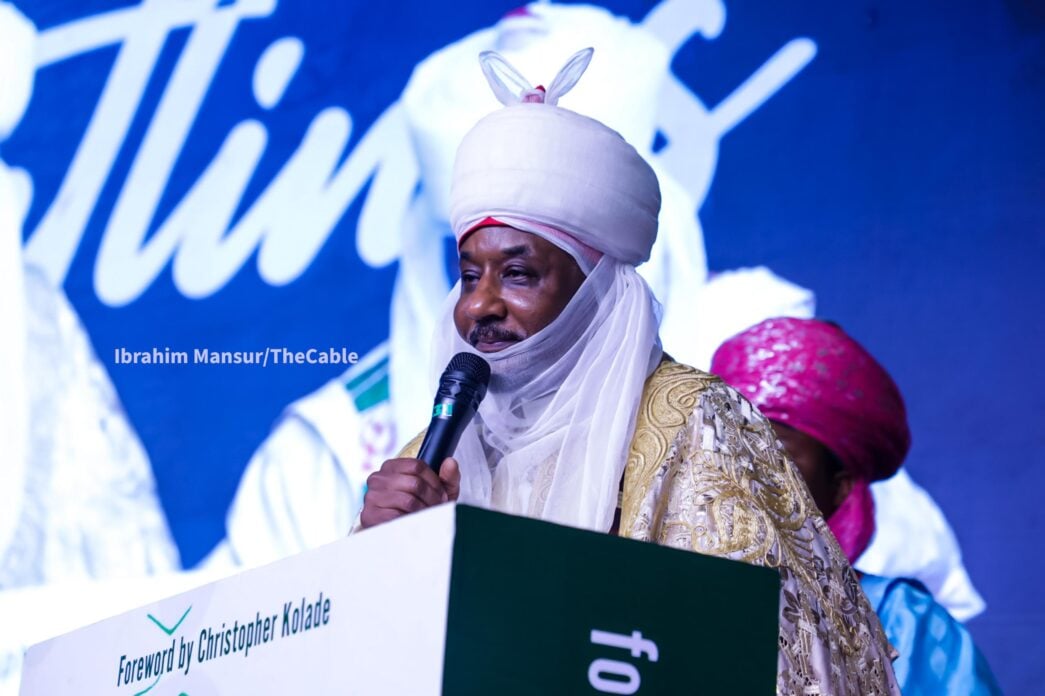
The Emir of Kano, Muhammadu Sanusi II, has raised concerns over Nigeria’s continued borrowing despite the removal of fuel subsidies, questioning the rationale behind new loan requests.
Speaking in an interview on News Central TV, Sanusi acknowledged the impact of the Dangote Refinery in strengthening Nigeria’s energy sector, noting that the country is now exporting refined petroleum products. He cited reports indicating that about 434 million litres of petrol were exported in March 2026 alone.
However, he expressed concern over the federal government’s plan to secure additional loans, including a proposed $516 million facility for the Sokoto–Badagry Superhighway project. According to him, the removal of fuel subsidies was intended to save up to ₦10 trillion annually and improve fiscal discipline, not to increase borrowing.
Sanusi also pointed to rising fuel prices, reportedly around ₦1,204 per litre, and Nigeria’s growing public debt, which has exceeded ₦159 trillion, as indicators of mounting economic pressure.
While critics echo his concerns about the country’s borrowing trajectory—highlighting estimates that Nigeria has been accumulating debt at an average rate of about ₦82 billion daily this year—supporters of the government’s approach argue that infrastructure investments such as the planned 1,000-kilometre highway will yield long-term economic benefits through improved connectivity and trade.
The debate underscores ongoing divisions over fiscal policy and economic management as Nigeria navigates post-subsidy reforms and infrastructure development priorities.


