
A prominent northern cleric has sparked fresh debate in Nigeria’s political space after openly rejecting the idea of a Muslim-Muslim presidential ticket, warning that such a narrative would no longer be tolerated in his region. In a strongly worded statement delivered during a public address, the cleric declared that any individual attempting to promote a same-faith ticket would be firmly resisted, stressing that such messaging risks deepening divisions in an already sensitive political climate.
According to him, “no one will come to preach Muslim-Muslim ticket here again,” adding that anyone who attempts to do so would be chased away. While he stopped short of endorsing any specific candidate or political party, he emphasized that voters should be free to choose their preferred candidates without being pressured into religiously framed political alignments. His remarks reflect a growing sentiment in parts of the North where concerns over religious balance and inclusivity in governance continue to resonate.
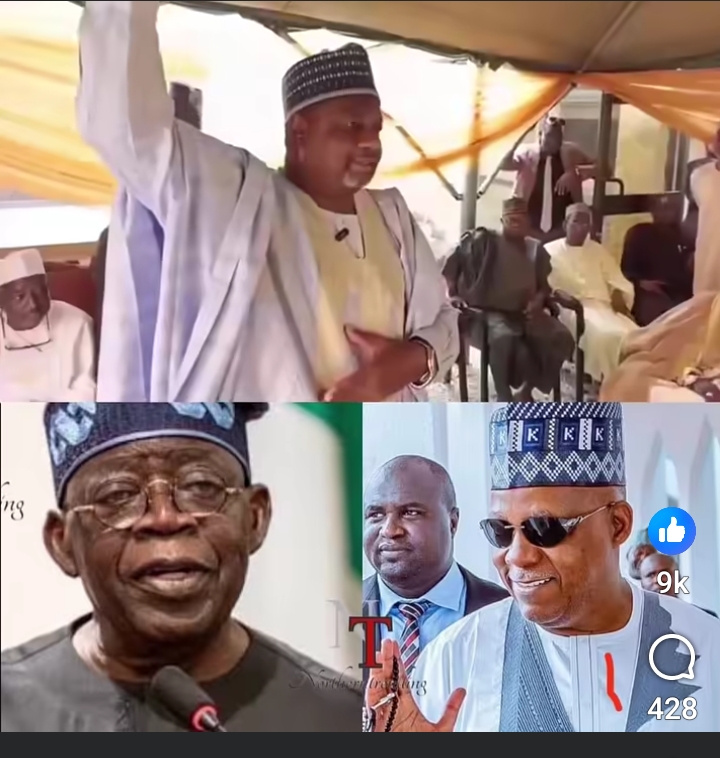
The cleric’s position appears to be a reaction to the controversial Muslim-Muslim ticket fielded by Bola Ahmed Tinubu and Vice President Kashim Shettima during the 2023 general elections—a decision that generated widespread debate across the country. While supporters of the ticket argued that competence should outweigh religious considerations, critics maintained that Nigeria’s diversity demands a more balanced representation, particularly at the highest levels of leadership.
Observers note that the cleric’s warning underscores a broader shift in political messaging ahead of future elections, where identity politics—especially religion and ethnicity—remains a powerful but increasingly contested factor. His comments may also signal a pushback against perceived attempts to normalize religious homogeneity in national leadership, particularly in a country as pluralistic as Nigeria.
Political analysts suggest that such statements could influence grassroots sentiment, especially in northern communities where religious leaders often play a significant role in shaping public opinion. However, others caution that while the cleric’s stance reflects genuine concerns, it may also contribute to further polarization if not balanced with calls for unity and issue-based politics.
As Nigeria gradually approaches another election cycle, the debate over representation, inclusion, and the role of religion in politics is expected to intensify. The cleric’s remarks serve as a reminder that beyond party affiliations and campaign promises, the question of national balance and identity remains central to the country’s democratic discourse.
REPORT: Northern Cleric Rejects Muslim-Muslim Ticket, Issues Strong Warning Ahead of 2027

- Advertisement -

