

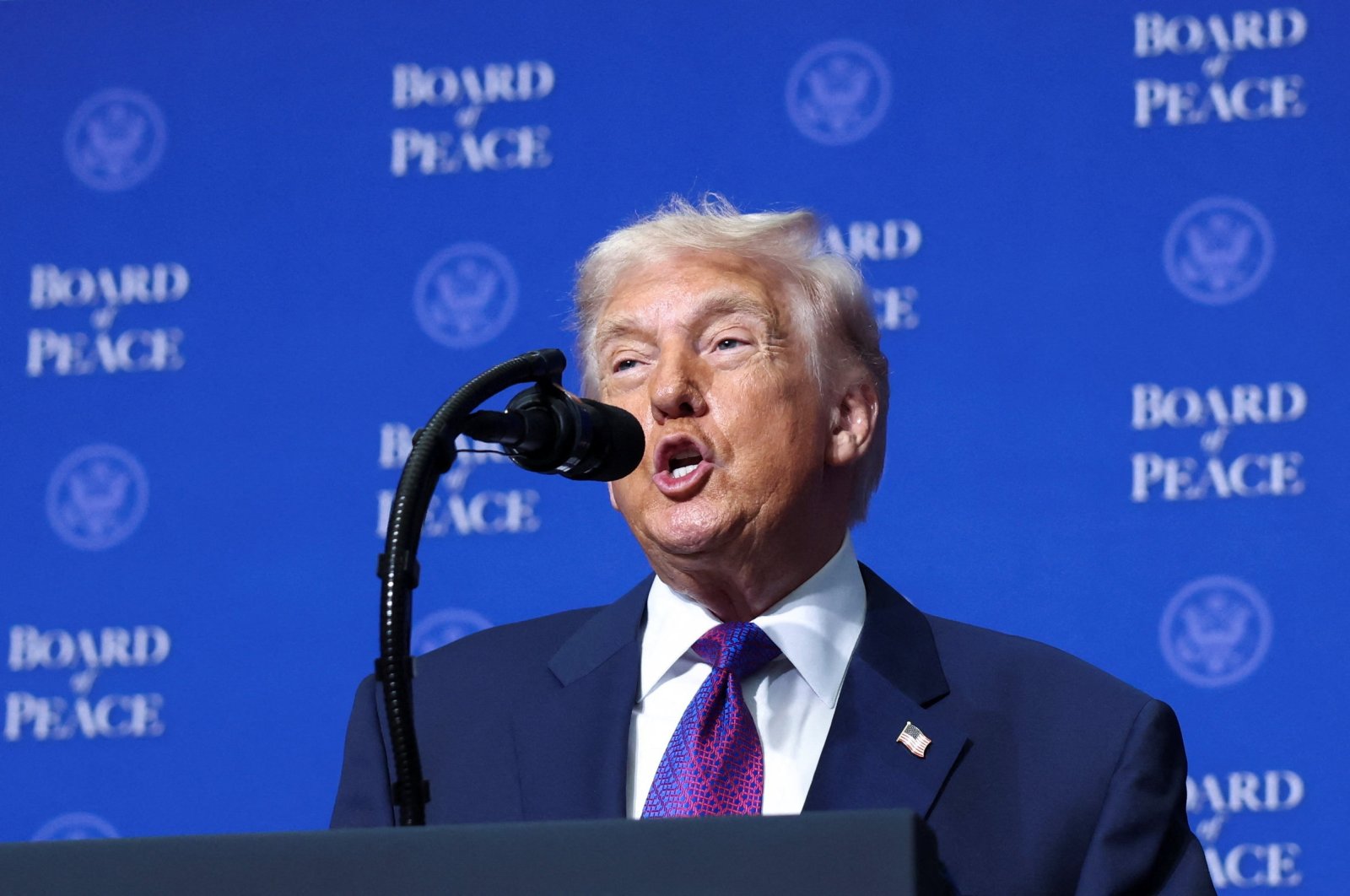
In a major development amid ongoing geopolitical tensions, Donald Trump has declared that a potential agreement with Iran would not only stabilize the Middle East but also ensure peace and security across the globe, including for Israel, Europe, and the United States itself.
Trump’s remarks come at a critical time as negotiations and military tensions between Washington and Tehran continue to dominate international discourse. According to recent reports, the former U.S. president has expressed strong optimism that a new deal with Iran could surpass previous agreements and deliver far-reaching benefits for global stability.
Speaking against the backdrop of a fragile ceasefire and ongoing diplomatic maneuvering, Trump suggested that such a deal would effectively neutralize key threats in the region, particularly those linked to nuclear proliferation and maritime security. Central to the negotiations is the issue of Iran’s nuclear ambitions, which the U.S. and its allies have long viewed as a major source of instability.
The Middle East, long regarded as a geopolitical flashpoint, stands to gain significantly from any breakthrough. Analysts note that a successful agreement could reduce hostilities between Iran and Israel, ease tensions in the Persian Gulf, and restore confidence in vital global oil routes such as the Strait of Hormuz. Earlier ceasefire arrangements had already led to the temporary reopening of the strategic waterway, a critical artery for global energy supplies.
However, despite Trump’s optimism, uncertainty continues to surround the negotiations. Conflicting signals from both Washington and Tehran have raised doubts about the feasibility and timeline of any comprehensive agreement. While Trump has hinted at rapid progress, officials and experts caution that such deals typically require prolonged and complex negotiations involving multiple stakeholders.
Further complicating matters are ongoing military actions and economic pressures. Reports indicate that a U.S. blockade of Iranian ports and intermittent clashes have continued to strain relations, even as diplomatic channels remain open. Pakistan has emerged as a key mediator in the talks, urging both sides to de-escalate and return to meaningful dialogue.
Trump’s assertion that a deal would guarantee global peace has drawn mixed reactions. Supporters argue that strong leadership and decisive negotiation tactics could indeed yield transformative outcomes. Critics, however, warn that such claims may oversimplify deeply rooted geopolitical conflicts and overlook the complexities of regional alliances and rivalries.
Beyond the Middle East, the implications of a U.S.–Iran agreement would extend to Europe and other parts of the world, particularly in terms of economic stability and energy security. Reduced tensions could stabilize oil markets, lower global inflationary pressures, and create an environment more conducive to international cooperation.
As the world watches closely, the stakes remain extraordinarily high. Whether Trump’s vision of a deal that guarantees peace across continents becomes reality will depend not only on diplomatic breakthroughs but also on sustained commitment from all parties involved.
For now, the promise of peace remains on the negotiating table—fragile, contested, yet undeniably consequential for the future of global security.


