

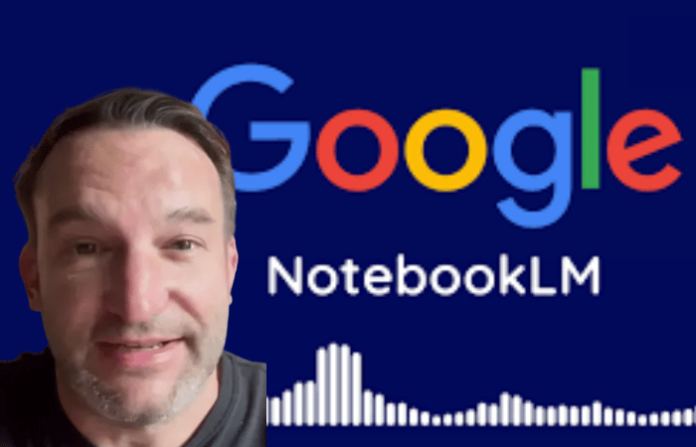
Veteran radio journalist David Greene has filed a lawsuit against Google LLC, alleging that the company unlawfully replicated his voice for use in its AI-powered research tool, NotebookLM.
The complaint, filed in state court in Santa Clara County, California, claims that Google used Greene’s distinctive vocal style without his consent to create one of the synthetic hosts featured in NotebookLM’s “Audio Overviews” function. The feature, introduced in the second half of 2024, enables users to transform notes and documents into short, AI-generated podcast episodes typically narrated by a male and female co-host.
Greene contends that the male AI voice closely mirrors his delivery, cadence, and persona, asserting that it was trained on recordings from his years in public radio. The lawsuit alleges that Google “replicated Mr. Greene’s distinctive voice — a voice made iconic over decades of decorated radio and public commentary — to create synthetic audio products that mimic his delivery, cadence, and persona,” without authorization or compensation.
Greene previously served as co-host of NPR’s Morning Edition for nearly a decade and currently hosts KCRW’s Left, Right & Center. According to the complaint, colleagues first alerted him to similarities between his voice and the AI-generated host. He subsequently consulted an AI forensic firm, which reportedly determined there was a 53% to 60% likelihood that the model had been trained on his voice. The firm characterized any confidence score above 50% as “relatively high,” and its chief executive concluded that it was their “confident opinion” the system had been trained using Greene’s recordings, the lawsuit states.
Google has denied the allegations. In a statement, company spokesperson José Castañeda described the claims as “baseless,” asserting that the male voice used in NotebookLM’s Audio Overviews is based on a paid professional actor hired by the company.
NotebookLM has been described by Google as one of its “breakout AI successes.” Following the launch of Audio Overviews in 2024, technology commentators widely remarked on the feature’s realism. Reviewers noted the human-like cadence, vocal inflections, and conversational phrasing of the AI-generated hosts, with some describing the output as strikingly lifelike.
The lawsuit underscores broader tensions surrounding intellectual property and generative AI. Technology companies rely on large volumes of data to train advanced models, but the rapid pace of development has outstripped regulatory frameworks governing consent and compensation. As a result, artists, writers, and performers have increasingly challenged how their work and likenesses are used in AI systems.
The dispute echoes other high-profile controversies, including a 2024 complaint by actress Scarlett Johansson against OpenAI. Johansson alleged that the company replicated or closely imitated her voice for a ChatGPT feature after she declined to participate — a claim that further intensified scrutiny of how AI developers handle voice and likeness rights.
Greene’s case now adds to a growing body of litigation testing the legal boundaries of AI training practices and the protection of personal identity in the digital age.


