

By Steve Nwabuko
The ongoing debate over the 2026 Electoral Law Amendment has highlighted contrasting approaches to lawmaking within Nigeria’s National Assembly, with the House of Representatives and the Senate appearing at odds over key provisions.
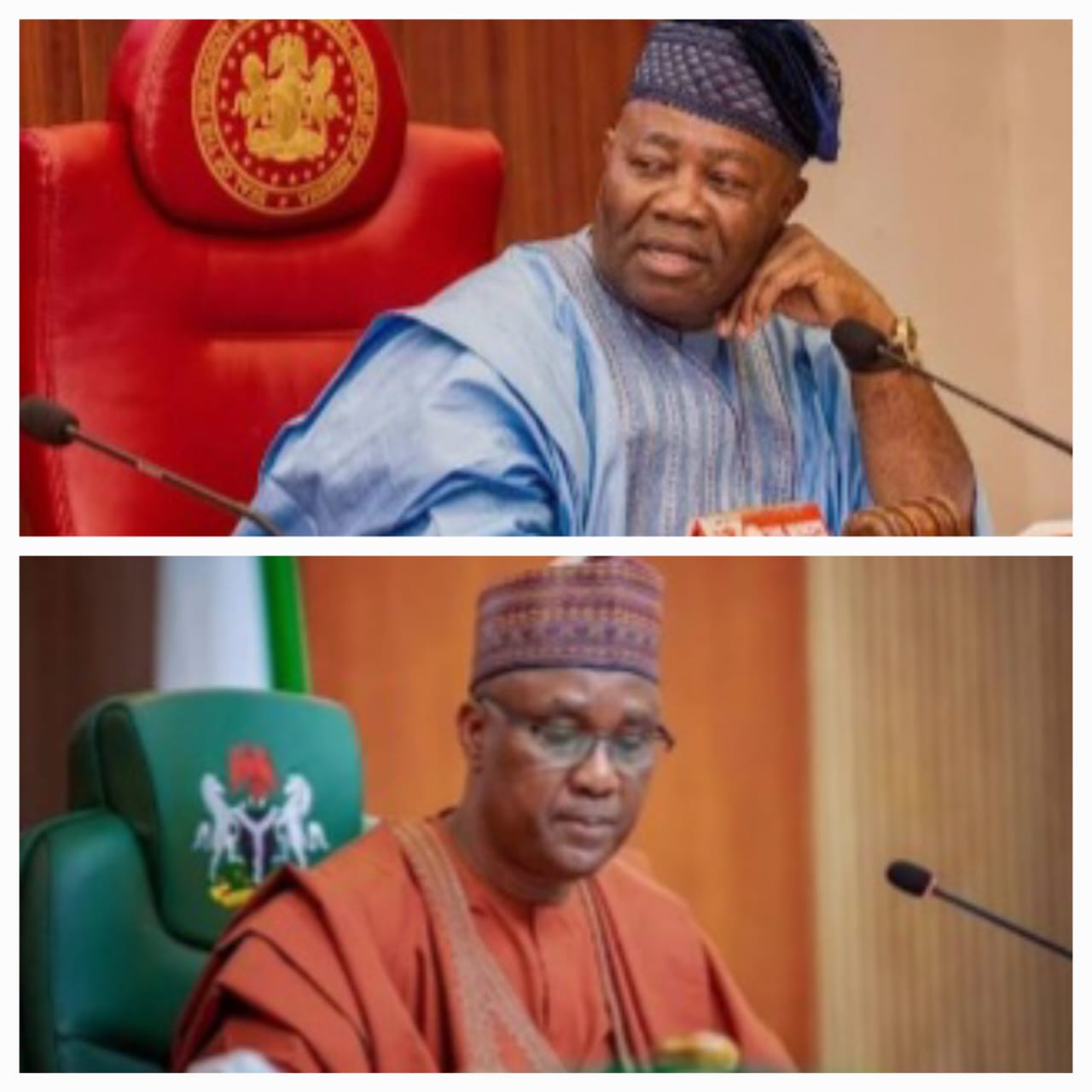
The National Assembly, Nigeria’s bicameral legislative body, comprises the Lower Chamber (House of Representatives) led by Speaker Rt. Hon. Tajudeen Abbas and the Upper Chamber (Senate) headed by President Godswil Akpabio. Observers note a stark contrast in performance between the two chambers during the tenth parliamentary session.
House of Representatives Praised for Legislative Clarity
Under Speaker Tajudeen Abbas, the House of Representatives has been commended for transparency, consistency, and alignment with public expectations. Despite a youthful and largely inexperienced membership of approximately 350 parliamentarians, the Lower Chamber has demonstrated commitment to effective lawmaking, particularly on issues affecting governance and national development.
The House has been especially proactive in advancing the Electoral Law Amendment, supporting provisions for mandatory, real-time online transmission of election results to ensure free, transparent, and credible elections in Nigeria.
Senate Criticized for Legislative Shortcomings
In contrast, the Senate, with 109 experienced members including former governors, industry leaders, and scholars, has faced criticism for its handling of key national issues. Critics argue that legislative processes in the Upper Chamber have become divisive, opaque, and unresponsive to citizens’ needs.
Several points of contention have been highlighted:
-
Presidential Travels: The Senate has been criticized for failing to hold the executive accountable for extended foreign trips by the President that exceed constitutionally approved leave.
-
National Debt and Borrowings: Nigeria’s debt stock, estimated at ₦150 trillion as of December 2025, has raised concerns over inadequate Senate scrutiny of loan approvals and their socio-economic impact.
-
Party Defections and Democracy: Observers note that the Senate has not amended constitutional provisions to curb rampant party defections, raising fears over the consolidation of political power and weakening of opposition parties.
-
Tax Law Irregularities: Following the passage of a National Tax Law reform aimed at boosting fiscal efficiency, reports of a tampered version being gazetted have drawn criticism for the Senate’s perceived inaction in addressing the breach.
-
Electoral Law Amendment: While the House has pursued a transparent and technologically robust electoral framework, the Senate’s version has been described as ambiguous, maintaining manual collation options in the event of technology failure. Critics warn that this approach could create loopholes that undermine electoral integrity in 2027.
Public Reaction and Future Implications
The contrasting approaches have fueled public debate about the efficacy and accountability of Nigeria’s bicameral legislature. Some citizens have called for reforms that might enhance the House’s legislative role while curbing perceived inefficiencies in the Senate.
Analysts warn that the Senate’s reluctance to adopt fully transparent measures may erode public confidence in democratic processes and impede the entrenchment of credible governance. Meanwhile, the House of Representatives continues to be praised for aligning its legislative actions with national interests.
As Nigeria moves toward the 2027 elections, the handling of the Electoral Law Amendment remains a focal point for citizens and civil society groups advocating for strengthened electoral transparency and accountability.


