

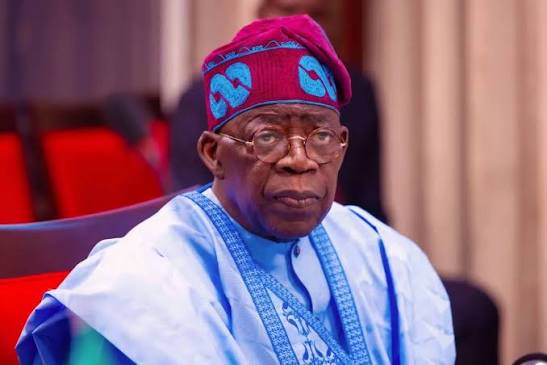
The Presidency has defended the economic policies of President Bola Tinubu, dismissing opposition criticism that the administration’s reforms are worsening hardship and insisting that the measures are not intended to make Nigerians suffer.
The response comes amid continued political debate over the impact of the Tinubu administration’s economic reforms, particularly the removal of fuel subsidy and changes in the foreign exchange market. The Presidency’s position was reported on September 10, 2026.
The administration has consistently argued that its reforms are aimed at addressing longstanding structural weaknesses in the Nigerian economy, improving fiscal sustainability and creating conditions for stronger long-term economic growth.
However, opposition politicians have continued to criticise the government over the cost-of-living pressures experienced by households and businesses. They have pointed to issues including food prices, transportation costs, inflation and the financial burden facing ordinary Nigerians.
The disagreement is significant because the economic reforms have become one of the major political issues ahead of the 2027 general elections. While the government maintains that the policies are necessary to rebuild the economy, opposition parties have questioned whether Nigerians are receiving sufficient relief from the resulting pressures.
The Presidency’s defence also comes as economic indicators present a mixed picture. Improvements in some areas, including foreign-exchange stability and government revenues, have been accompanied by continued concerns about living costs and purchasing power.
For Nigerians, the key issue remains whether the reforms will eventually translate into lower inflation, increased employment, improved infrastructure and better living standards.
The government has repeatedly maintained that the reforms require time to deliver their full benefits and has introduced various measures intended to cushion their impact on vulnerable citizens.
Tinubu inherited an economy facing significant fiscal and foreign-exchange challenges when he assumed office in May 2023. His administration subsequently introduced major reforms, including the removal of the petrol subsidy and changes to foreign-exchange management.
As political parties prepare for the 2027 elections, the economic record of the Tinubu administration is expected to remain a central issue in debates over Nigeria’s future direction.


