

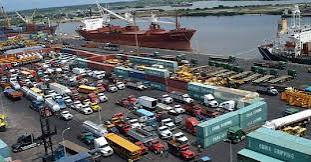
Twenty-seven vessels are scheduled to arrive at Lagos ports over the next two weeks, according to the Nigerian Ports Authority (NPA), in a development expected to boost maritime activity and the movement of essential goods.
The vessels are expected to bring petroleum products, food items and other cargoes into the country, highlighting the continued importance of Lagos ports to Nigeria’s supply chain and international trade.
The projected arrivals are expected to place additional activity on the country’s busiest maritime gateway as port operators, shipping companies, terminal managers and other stakeholders prepare to receive and process the vessels.
The development is particularly important for consumers and businesses because petroleum products and food items form a significant part of the goods handled through Nigeria’s seaports. Timely berthing, cargo discharge and onward transportation could help support domestic supply and reduce potential disruptions in distribution.
For importers and logistics operators, the expected vessel traffic also underscores the need for efficient port operations. Delays in vessel berthing or cargo clearance can increase shipping and storage costs, with such expenses potentially affecting the prices of goods in the wider market.
The NPA’s latest projection comes amid broader efforts to improve the efficiency and competitiveness of Nigeria’s maritime sector. Lagos remains a major hub for the country’s seaborne trade, with key facilities including Apapa, Tin Can Island and the newer Lekki Deep Sea Port contributing to cargo handling capacity.
The expected arrivals also come as Nigerian authorities continue to promote greater use of the country’s maritime infrastructure to support economic growth and trade.
The 27-vessel schedule therefore provides an indication of continued commercial activity at Lagos ports and could offer opportunities for terminal operators, freight forwarders, truckers and other businesses linked to the maritime economy.
Nigeria’s ports remain crucial to the economy because the country depends heavily on maritime transportation for imports and exports. Improving turnaround times, cargo handling and port access remains central to efforts to reduce logistics costs and strengthen Nigeria’s position as a regional trade hub.


