

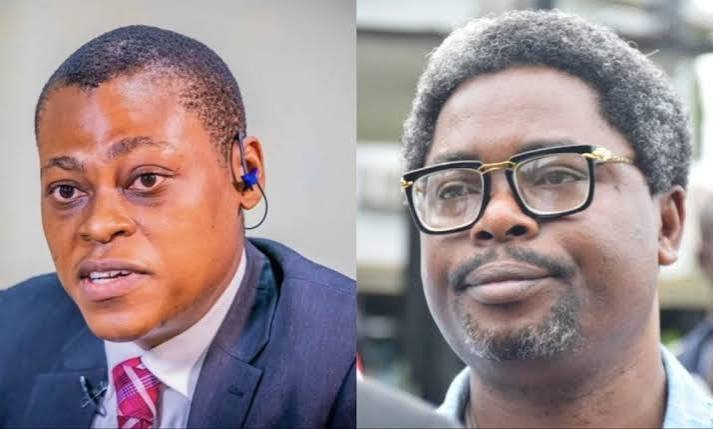
Dr Sam Amadi, Director of the Abuja School of Social and Political Thought, and Akin Osuntokun, Political Director at Arise News, have criticised Lere Olayinka, media aide to Federal Capital Territory Minister Nyesom Wike, over his conduct during a live television interview with Rufai Oseni.
The disagreement occurred during The Morning Show on Arise News after Oseni questioned Olayinka about political issues involving his principal. Olayinka declined to respond to Oseni, saying he did not want to answer questions from the presenter, leading to the interview being abruptly terminated.
Reacting to the incident, Amadi described the encounter as a missed opportunity for a government representative to communicate his principal’s position to a wider audience.
“You are speaking to a much larger audience, so missing the opportunity to communicate your message and instead using the platform to throw tantrums only exposes the weakness of the person speaking for the government,” Amadi said.
He argued that officials who appear on television should focus on explaining their positions and persuading viewers rather than allowing personal disagreements with presenters to dominate discussions.
Amadi, however, also cautioned journalists against turning interviews into confrontational encounters. He said presenters should challenge public officials while maintaining professionalism and respecting the dignity of their guests.
“The media’s role is to inform and communicate with the audience, not to engage in shouting matches,” he said.
Osuntokun similarly faulted Olayinka’s approach, saying the FCT minister’s aide was free to decline questions but could have handled the situation differently.
He warned that such conduct could create a poor precedent for public officials and ultimately hurt the political principal being represented.
The controversy has generated wider discussion about the responsibilities of journalists and political representatives during live interviews, particularly as Nigeria approaches the 2027 general elections.
The incident also highlights the increasingly combative nature of political communication, where interviews can become arenas for disputes over language, personalities and political loyalties.
Amadi urged both sides to redirect public discourse towards substantive issues, including the economy, security, healthcare, hunger and the rule of law.


