

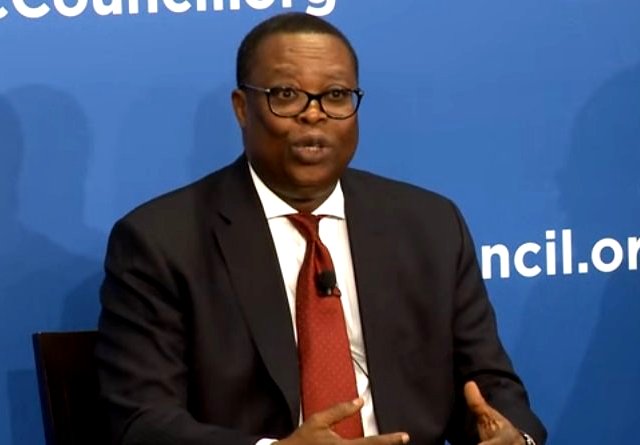
Nigeria’s global image continues to suffer not merely because of corruption, but because of how the political system normalizes, recycles, and ultimately rewards controversy. Few episodes capture this moral contradiction more starkly than the case of Ayodele Oke, a name that resurfaced in public consciousness after reports of his appointment and screening as an ambassadorial designate—years after being linked to one of Nigeria’s most notorious corruption investigations.
In 2017, Nigerians were stunned by the discovery of huge sums of money—running into millions of dollars and naira—in a high-rise apartment in Ikoyi, Lagos. The Economic and Financial Crimes Commission (EFCC) launched investigations, and Ayodele Oke, then a senior official of the National Intelligence Agency (NIA), was suspended in connection with the scandal. Though the case symbolized the excesses of secrecy, abuse of office, and unaccountable power, it never produced the kind of transparent closure Nigerians were promised. Instead, like many high-profile corruption cases, it faded quietly from public reckoning.
Fast forward to today, and the same system that once pledged accountability now appears comfortable elevating individuals previously associated—rightly or wrongly—with unresolved scandals into prestigious diplomatic roles. The reported appointment and screening of Ayodele Oke as an ambassadorial nominee to France sends a troubling message: that political loyalty and elite connections matter more than public trust, institutional memory, or national reputation. In diplomacy, perception is everything. A country that sends controversial figures abroad undermines its own moral authority on the global stage.
More disturbing, however, is the role of the National Assembly in this cycle. Constitutionally empowered to provide oversight, the legislature has increasingly functioned as a rubber stamp, approving executive nominations with little evidence of rigorous scrutiny. When confirmation hearings become perfunctory rituals rather than serious examinations of integrity, competence, and past conduct, the legislature abandons its duty to the people and becomes complicit in reputational damage to the state.
Under the Tinubu administration, critics argue that governance has taken on the character of a crony system—where proximity to power offers insulation from consequence and access to reward. In such an environment, anti-corruption rhetoric rings hollow. The message to public servants is dangerous and clear: survive the media cycle, stay close to power, and rehabilitation will come—not through accountability, but through appointment.
Nigeria cannot build credibility abroad while eroding integrity at home. Diplomatic postings are not favors; they are symbols of national values. Each ambassador represents not just the government of the day, but the conscience of the republic. When controversial figures are projected as Nigeria’s face to the world, the country’s long struggle to shed the image of corruption and impunity is set back once again.
Until Nigeria decisively breaks with the culture of recycling unresolved scandals into high office—and until the National Assembly reclaims its oversight responsibility—the promise of reform will remain rhetoric. Nations are judged not by what they say, but by who they reward. And today, Nigeria is being judged harshly.


