

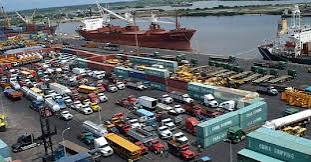
Lagos ports recorded a significant volume of crude oil imports in August, with 2,392,354 metric tonnes of the commodity handled through the Lekki Deep Sea Port and Lagos Apapa Quays, according to available port data.
Crude oil remained the leading commodity on the import chart during the month, highlighting the continued importance of Lagos maritime facilities to Nigeria’s energy supply chain.
The Lekki Deep Sea Port accounted for the largest share, receiving 1,867,712 metric tonnes of crude during the first week of August. An additional 524,742 metric tonnes was scheduled for discharge at the Apapa Quays before the end of the month.
The volume of crude significantly exceeded that of other major commodities recorded during the period. Bulk wheat ranked second, with 321,849 metric tonnes, while aviation fuel accounted for 118,000 metric tonnes and bulk fertiliser stood at 44,000 metric tonnes.
Data covering activity up to August 10 also showed substantial movement of petroleum-related products through the ports. Aviation fuel, Automotive Gas Oil (AGO), popularly known as diesel, and Premium Motor Spirit (PMS) were among the products featured in the import data.
The large volume of cargo handled at Lagos ports underscores their strategic role in Nigeria’s import and distribution network, particularly for petroleum and other essential commodities.
Lekki Deep Sea Port continued to attract substantial vessel traffic, with 25 vessels involved in import shipments during the first 10 days of August. Although no containerised cargo was recorded at the facility during the period under review, bulk commodities accounted for considerable activity.
The development comes as Nigeria continues efforts to strengthen domestic refining capacity and reduce dependence on imported petroleum products. The country’s growing refining infrastructure has also increased the importance of efficient crude supply and maritime logistics.
The August figures therefore provide an indication of the scale of energy-related trade passing through Nigeria’s major Lagos gateways, while also highlighting the continuing importance of port infrastructure to the country’s economy.
As domestic refining expands, sustained investment in port capacity, logistics and efficient cargo handling will remain essential to supporting Nigeria’s evolving petroleum industry.


