

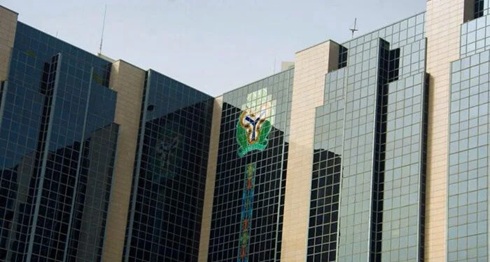
The Central Bank of Nigeria has reduced the stop rate on its one-year Treasury bill despite overwhelming investor demand, with subscriptions for the 364-day instrument reaching N3.63 trillion at the latest primary market auction.
The development highlights strong appetite for Nigerian government securities even as the apex bank moves to lower yields on short-term instruments. The auction was conducted on Wednesday, with investors submitting a combined N3.79 trillion across the three maturities on offer.
The 364-day Treasury bill attracted the overwhelming majority of investor interest, accounting for about 95.9 per cent of the total bids submitted at the auction.
Despite the substantial demand, the CBN lowered the stop rate on the one-year instrument by 44 basis points, from 17.59 per cent at the previous auction to 17.15 per cent.
A Treasury bill is a short-term government debt instrument used to raise funds from investors. Investors effectively lend money to the government for a specified period and receive a return when the instrument matures.
The strong demand for the 364-day bill suggests that investors continue to regard government securities as an attractive destination for funds, particularly amid efforts to stabilise Nigeria’s macroeconomic environment.
The development is also significant because the CBN’s decision to reduce the rate came despite the exceptionally high level of subscriptions.
Ordinarily, strong demand for a financial instrument can create room for issuers to maintain or reduce the return offered to investors. The latest auction appears to reflect the CBN’s assessment that investors remain willing to accept lower yields in exchange for exposure to government-backed securities.
The concentration of demand around the one-year bill is particularly noteworthy. Investors appear to be showing a preference for longer-term returns within the short-term Treasury bill market, potentially reflecting expectations about interest rates, inflation and broader monetary conditions.
The latest move comes as the CBN continues to implement monetary policies aimed at restoring macroeconomic stability.
Under Governor Olayemi Cardoso, the apex bank has maintained a tight monetary policy stance while simultaneously introducing reforms intended to improve liquidity management, strengthen the financial system and enhance confidence in the foreign exchange market.
The CBN’s broader strategy has also coincided with a significant improvement in Nigeria’s external reserve position. The country’s reserves recently rose to $53.11 billion, approaching the historic $53.25 billion level recorded in January 2009.
The strengthening reserve position, alongside developments in the fixed-income market, could provide additional confidence to domestic and foreign investors assessing Nigeria’s economic outlook.
However, the reduction in Treasury bill yields could have implications for investors who have become accustomed to relatively high returns on government securities.
Banks, pension funds, asset managers and other institutional investors are major participants in Nigeria’s fixed-income market. Changes in Treasury bill yields can influence how these institutions allocate their funds across government securities, corporate debt, equities and other financial instruments.
For the government, Treasury bills remain an important mechanism for managing short-term financing requirements and liquidity in the financial system.
The latest auction also demonstrates that demand for government debt remains strong even as yields begin to moderate.
The N3.63 trillion demand for the 364-day instrument represents a substantial multiple of the amount ultimately available to investors, indicating that competition for the security was intense.
Market participants will now watch subsequent auctions to determine whether the CBN’s latest rate reduction marks the beginning of a broader downward trend in Treasury bill yields.
If yields continue to decline, investors may increasingly look towards longer-term bonds, corporate securities or other assets offering comparatively higher returns.
On the other hand, sustained strong demand for Treasury bills could give the CBN further room to gradually reduce rates without triggering a significant decline in investor participation.
The development therefore presents a delicate balancing act for monetary authorities: maintaining attractive enough returns to preserve investor confidence while gradually reducing the cost of government borrowing and supporting broader economic stability.
For investors, the message from the latest auction is equally clear. Demand for Nigerian government securities remains exceptionally strong, even at lower yields.
The coming months will reveal whether that appetite can be sustained as monetary conditions evolve and the CBN continues its efforts to bring inflation, interest rates and financial-market conditions onto a more stable path.


