

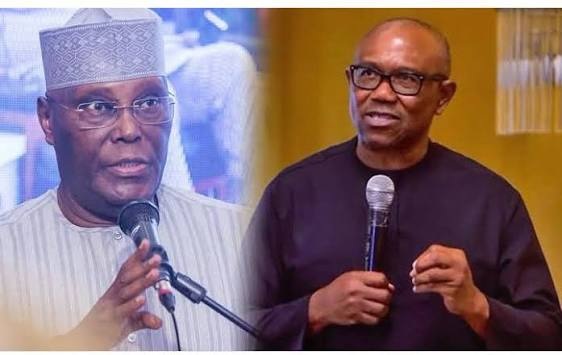
The debate over Nigeria’s controversial petrol subsidy removal took a dramatic turn at the 2026 Nigerian Bar Association Annual General Conference in Port Harcourt, where opposition figures Peter Obi, Omoyele Sowore and Rotimi Amaechi clashed over the policy and the management of the funds generated from it.
Speaking during a plenary session on democracy and governance, Obi, the presidential candidate of the Nigeria Democratic Congress, maintained that he supported the removal of the petrol subsidy but argued that the real failure of the Bola Tinubu administration was its inability to transparently and effectively deploy the resources recovered from the policy.
“I subscribe and maintain that you need to remove subsidy. Mismanagement of the proceeds shouldn’t be the reason for not removing it,” Obi said.
The former Anambra State governor said the removal of the subsidy should have been accompanied by deliberate measures to cushion its impact on Nigerians and channel the resulting savings into sectors that directly improve citizens’ lives.
According to Obi, the government has reported savings of about N16 trillion from the policy, but Nigerians have yet to see benefits commensurate with the scale of the resources involved.
He argued that a fraction of the reported savings could have transformed Nigeria’s struggling healthcare system.
Obi gave the example of primary healthcare, saying that five per cent of N16 trillion would amount to approximately N800 billion—resources he said could finance primary healthcare centres across the country if properly managed.
He similarly argued that more resources should have been devoted to addressing kidney-related healthcare challenges and strengthening the country’s health infrastructure.
Beyond healthcare, Obi said the savings could have been invested in education, infrastructure and Nigeria’s sovereign wealth reserves, rather than being absorbed without clear evidence of corresponding improvements in citizens’ welfare.
His position placed him in an interesting position during the debate. While he has been a vocal critic of the Tinubu administration’s economic management, he rejected the argument that the solution to the country’s economic problems is simply to restore the old subsidy regime.
The debate became more heated when Omoyele Sowore challenged Obi and other political leaders over their previous positions on subsidy removal.
Sowore, who has consistently opposed subsidy removal, questioned the consequences of the policy and highlighted the wider social costs Nigerians have experienced since its implementation.
The exchange reportedly generated moments of tension and humour among the panellists and audience, underscoring the deep divisions within Nigeria’s opposition political space ahead of the 2027 presidential election.
The presence of former Rivers State governor and former Minister of Transportation Rotimi Amaechi added another political dimension to the discussion, with the participants representing different perspectives on Nigeria’s economic and political direction.
The subsidy controversy has become one of the defining issues of the 2027 election campaign.
President Tinubu announced the removal of the petrol subsidy shortly after assuming office in May 2023, triggering a sharp increase in fuel prices and significant increases in transportation, food and other living costs.
The Federal Government has defended the decision as necessary to eliminate an expensive and corruption-prone system while freeing resources for development.
Finance Minister Wale Edun and other government officials have repeatedly argued that the reform has improved government revenues and created fiscal space for the Federation.
Recent government figures put the resources mobilised from subsidy removal and related reforms at approximately N15.8 trillion between June 2023 and December 2025.
Opposition politicians, however, have increasingly shifted the focus from whether subsidy should exist to what government has done with the money saved from its removal.
Former Vice President Atiku Abubakar has gone further, calling for the restoration of petrol subsidy if elected in 2027. Obi’s position differs significantly: he maintains that subsidy should be removed but insists the proceeds must be transparently invested for the benefit of Nigerians.
That distinction could become important as the opposition seeks to present a coherent economic alternative to the APC.
For Obi, the issue is ultimately about accountability.
He argued that Nigerians should not be asked to endure economic sacrifices while those entrusted with managing the resulting savings fail to provide visible improvements in healthcare, education and other essential services.
The exchange at the NBA conference therefore offered more than political drama. It exposed competing approaches to one of Nigeria’s most consequential economic reforms—and provided a preview of the arguments likely to dominate the 2027 presidential campaign.
As the election approaches, the central question may no longer be simply whether Nigeria should remove petrol subsidies, but whether the trillions saved from doing so have actually been converted into a better life for the Nigerian people.


