

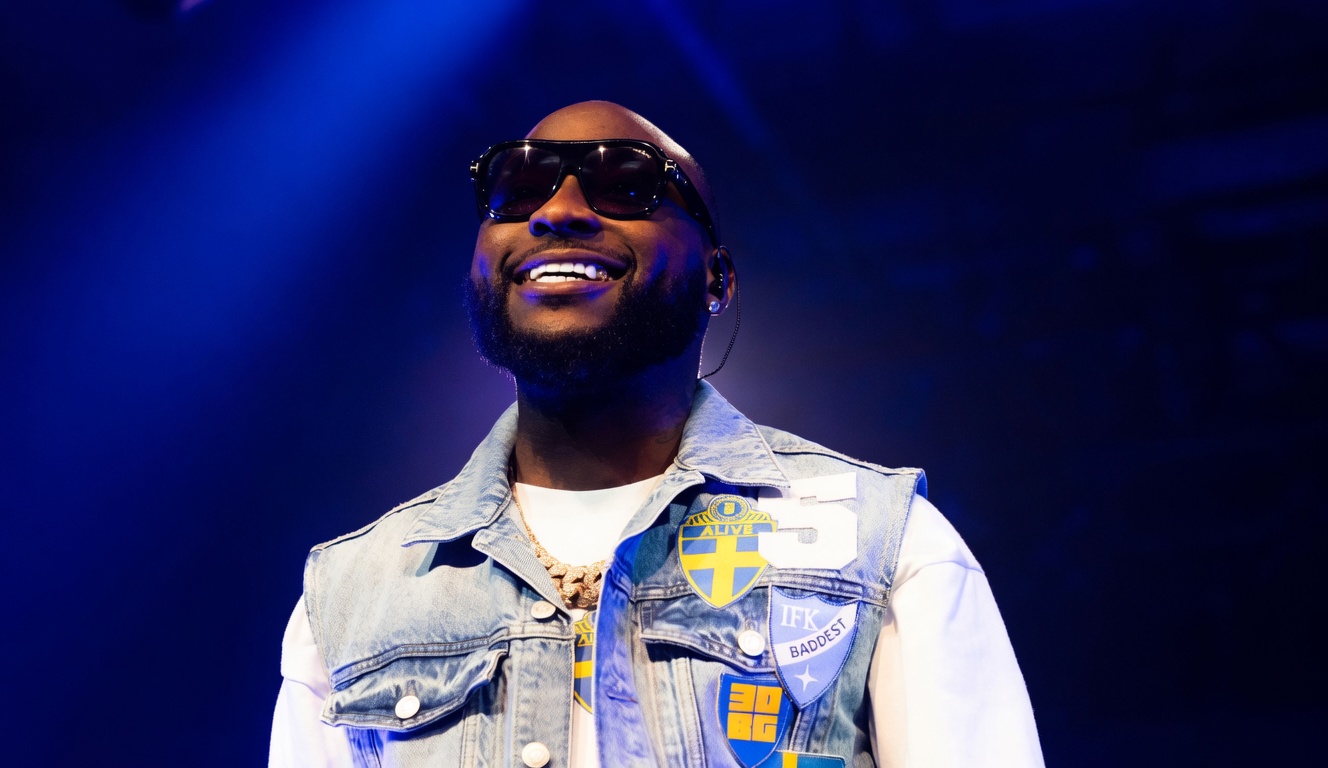
Afrobeats superstar David Adeleke, popularly known as Davido, has sparked a conversation about the future of Nigeria’s music industry after suggesting that established artistes should gradually step away from the centre of attention to allow younger talents to flourish.
Speaking during an appearance on The Uncut Podcast, Davido said he does not see himself competing for the spotlight with artistes in their 20s when he reaches 40. He suggested that his generation has about five to six more years of actively occupying the industry’s centre stage.
“This is me and my contemporaries’ last five to six years. I am not going to be 40, still dragging the spotlight with guys in their 20s,” Davido said.
The singer clarified that he was not advocating retirement. Instead, he encouraged established musicians to consider taking breaks and using their experience and success to pursue other ventures while creating opportunities for emerging artistes.
Davido cited American rapper Jay-Z as an example of an established musician who stepped back from constant musical activity while remaining influential.
He also expressed confidence in the strength of his catalogue, saying he could take an extended break and still return to large audiences.
The comments come as a new generation of Nigerian artistes continues to gain prominence and push Afrobeats into international markets. For Davido, the transition is part of the natural evolution of the industry rather than a sign that established artistes have become irrelevant.
The discussion is important because Nigeria’s music industry is experiencing a generational change, with younger performers increasingly commanding large audiences, streaming numbers and international collaborations.
Davido has been one of the key figures in the global rise of Afrobeats, alongside contemporaries including Wizkid and Burna Boy. His career has spanned more than a decade and produced several internationally recognised songs and albums.
His latest remarks therefore highlight the importance of succession in Afrobeats and suggest that veteran artistes may increasingly focus on mentorship, business and legacy while younger musicians take centre stage.


