

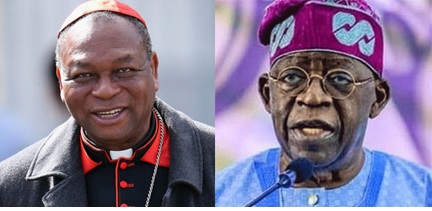
Emeritus Archbishop of Abuja, Cardinal John Onaiyekan, has defended his comments on the economic and security challenges facing Nigeria, dismissing criticism from aides to President Bola Tinubu over his public remarks following a meeting between Catholic bishops and the President.
Onaiyekan spoke against the backdrop of a July 28, 2026 meeting between President Tinubu and Catholic bishops, during which the religious leaders raised concerns about worsening economic hardship, insecurity and governance in the country.
The bishops presented their concerns to the President as part of their engagement on issues affecting Nigerians. However, Tinubu reportedly rejected some of the criticisms contained in their submissions, leading to further public discussion about the state of the nation.
Following the meeting, Onaiyekan appeared on Arise TV, where he discussed the bishops’ concerns and the issues raised during their interaction with the President.
His comments subsequently attracted criticism from some presidential aides, who accused the Catholic cleric of violating the confidentiality expected of participants in the meeting.
The criticism, however, did not persuade Onaiyekan to withdraw his position.
The former Archbishop insisted that he had not acted improperly, arguing that the issues he discussed publicly were contained in a joint statement issued by the Catholic bishops.
According to him, he was simply explaining the position already collectively expressed by the bishops and was not revealing confidential information from the meeting.
Onaiyekan maintained that the concerns raised by the bishops were not motivated by political interests but by their responsibility to speak about conditions affecting ordinary Nigerians.
He pointed to insecurity, economic hardship and governance challenges as matters that religious leaders could not simply ignore, particularly when their consequences are being felt by millions of citizens.
The Cardinal also noted that concerns about Nigeria’s condition were not restricted to the Catholic Church. He said other Christian denominations and religious groups had expressed similar worries about the country’s economic and security situation.
His comments have therefore added to a wider debate about the role of religious leaders in holding governments accountable.
Onaiyekan also dismissed criticism directed at him on social media, saying he was not particularly troubled by online attacks that followed his television appearance.
He noted that while some individuals criticised him, others publicly defended his position, reflecting the diversity of opinions in Nigeria’s political and social environment.
The Cardinal further praised Nigeria’s relative openness to public debate, contrasting the country’s environment with that of some other African countries where, he suggested, public criticism of governments can carry greater risks.
For Onaiyekan, the ability of citizens, religious leaders and other stakeholders to openly discuss national problems is an important part of democratic governance.
His defence comes amid growing debate over the relationship between the Tinubu administration and religious institutions, particularly as Nigerians continue to grapple with insecurity, inflation, unemployment and the rising cost of living.
The bishops’ meeting with the President was intended to provide an avenue for dialogue, but the subsequent disagreement has demonstrated the difficulties involved when religious and civic leaders publicly assess government policies.
Onaiyekan’s position is that speaking about national problems is part of his responsibility as a religious leader and Nigerian citizen, particularly when those concerns have already been formally presented by the bishops.
The controversy has also renewed questions about the boundaries between private consultations with government officials and legitimate public commentary by participants.
While government officials have emphasised the need to respect the confidentiality of sensitive engagements, Onaiyekan insists that he did not disclose confidential material but merely articulated publicly documented concerns.
The dispute is likely to keep attention focused on the relationship between the government and faith-based organisations as the administration seeks to address Nigeria’s economic and security challenges.
For Onaiyekan, however, the message remains unchanged: religious leaders should not remain silent when citizens are experiencing hardship, insecurity and uncertainty.
His refusal to retreat from the bishops’ concerns signals that the debate over the government’s performance will continue both inside and outside religious circles as Nigerians assess the direction of the country.


