

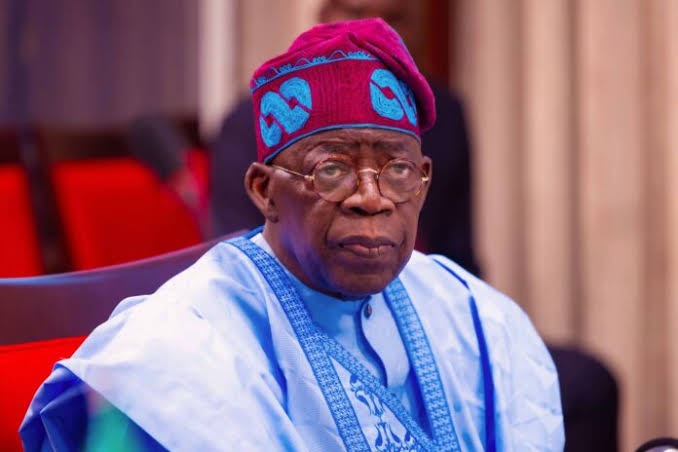
President Bola Ahmed Tinubu has joined the United States Department of Justice (DOJ) in seeking additional time to respond to a court order concerning the release of records linked to historical allegations of drug trafficking involving the Nigerian leader.
The development comes amid renewed efforts to obtain documents held by US agencies, including the Federal Bureau of Investigation (FBI), Drug Enforcement Administration (DEA) and DOJ. The records relate to investigations dating back to the 1990s.
Reports indicate that the US Justice Department requested a 10-day extension to respond to the matter, with Tinubu joining the request. However, a US federal judge subsequently granted only a shorter extension, setting August 21, 2026, as the new deadline for compliance.
The issue has attracted significant attention because the records could shed additional light on longstanding allegations surrounding Tinubu’s past dealings with US authorities. Tinubu has consistently denied wrongdoing and rejected allegations linking him to drug trafficking.
The legal battle over the documents began after American transparency activist Aaron Greenspan filed Freedom of Information Act requests seeking records relating to investigations involving Tinubu and other individuals. In an April 2025 ruling, US District Judge Beryl Howell ordered the FBI and DEA to process and release relevant records, rejecting continued use of a “Glomar” response to neither confirm nor deny the existence of records.
The controversy has gained renewed political significance as Nigeria approaches the 2027 general elections, with Tinubu expected to seek another term. Opposition figures have repeatedly cited the historical US records in political arguments against the President.
The latest request for additional time does not establish the contents of the records or prove the allegations against Tinubu. The documents remain subject to the US legal process, and any material eventually released will need to be assessed within its full legal and historical context.
The dispute dates back to a US investigation into a Chicago-based heroin-trafficking network in the late 1980s and early 1990s. The matter has remained politically contentious in Nigeria, making the anticipated release of additional records a potentially significant development ahead of the 2027 election.


