

The United States has imposed sanctions on International Criminal Court President Tomoko Akane and senior ICC trial lawyer Abdoulaye Seye, escalating the Trump administration’s confrontation with the Hague-based tribunal over its investigations and prosecutions.
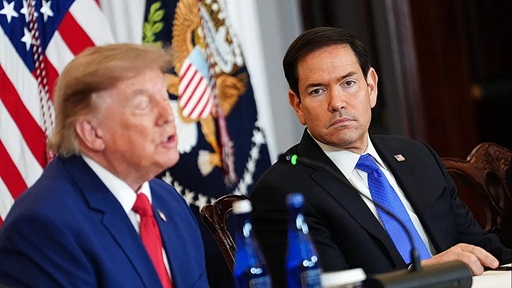
US Secretary of State Marco Rubio announced the measures on Tuesday, saying the two ICC officials had been designated because of their involvement in efforts to investigate and prosecute nationals of countries that have not accepted the court’s jurisdiction. The United States is not a party to the Rome Statute that established the ICC.
The sanctions include restrictions on access to the US financial system and the freezing of any assets subject to US jurisdiction. The latest action represents a significant escalation because Akane is the sitting president of the international court, which was established to prosecute individuals accused of genocide, war crimes and crimes against humanity when national courts are unable or unwilling to act.
Washington has repeatedly accused the ICC of exceeding its mandate and acting against the sovereignty of the United States and its allies. The Trump administration has particularly objected to the court’s investigations involving Israel, including proceedings connected to alleged crimes committed during the Gaza war.
The latest sanctions follow a broader campaign launched by President Donald Trump in February 2025, when he signed an executive order authorising sanctions against ICC officials involved in investigations of US nationals or nationals of allied countries. The administration has since expanded the list of sanctioned officials.
The ICC has rejected the US position and condemned the latest measures. The court said the sanctions undermine judicial independence, the rule of law and the international legal order.
Akane has previously insisted that pressure from governments would not determine how the court interprets its legal mandate or adjudicates cases. In December 2025, she said sanctions had disrupted the financial transactions and personal lives of targeted ICC officials but maintained that the court would continue its work.
The dispute is closely linked to the ICC’s investigations involving Israel. In 2024, the court issued arrest warrants for Israeli Prime Minister Benjamin Netanyahu and former Defence Minister Yoav Gallant over alleged war crimes and crimes against humanity in the Gaza conflict. Israel and the United States reject the court’s jurisdiction over the matter.
Seye, the other official targeted in Tuesday’s action, has been involved in ICC proceedings concerning Israel and has also been nominated for an ICC judgeship. The United States has accused ICC officials of attempting to exercise jurisdiction over nationals of countries that have not consented to the court’s authority.
The confrontation has increasingly developed into a broader dispute over the future of international criminal justice. The Trump administration has not only sanctioned individual ICC officials but has also explored ways of weakening the court’s international reach and encouraging member states to distance themselves from the institution.
The United States argues that the ICC threatens American sovereignty because Washington has never ratified the Rome Statute. Supporters of the court, however, maintain that international criminal justice must be able to investigate alleged atrocities regardless of the political power of those accused.
The sanctions have also triggered legal challenges in the United States. Human rights organisations and ICC judges have filed lawsuits challenging the legality of the administration’s sanctions regime, arguing that it improperly interferes with judicial independence and international justice.
The latest measures therefore deepen an already serious confrontation between Washington and the world’s permanent international criminal tribunal.
For the ICC, the challenge is to continue its investigations and judicial proceedings while dealing with the financial and diplomatic consequences of US sanctions. For Washington, the sanctions represent an attempt to prevent an institution it considers illegitimate from exercising authority over American citizens and key allies.
The dispute is likely to remain a major issue in international law and diplomacy, particularly as the ICC continues to investigate alleged atrocities in conflicts involving powerful states and their allies.


