

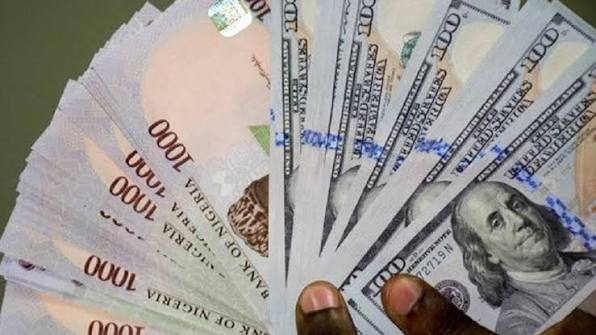
The Nigerian naira started the week on a positive note after recording a slight appreciation against the United States dollar in the foreign exchange market on August 3, 2026. The development has drawn the attention of businesses, investors, and consumers who closely monitor currency movements because of their impact on the economy.
Market data showed the naira strengthening to about ₦1,363.46 per US dollar, reflecting a modest improvement compared to previous trading sessions. Although the gain was relatively small, it has been viewed as an encouraging sign amid ongoing efforts to stabilize Nigeria’s foreign exchange market.
The movement is significant because exchange rate trends influence the prices of imported goods, raw materials, international transactions, and travel expenses. A stronger local currency can help ease inflationary pressure by lowering import costs, although economists stress that consistent stability is more beneficial than temporary appreciation.
The latest performance comes as policymakers continue implementing measures designed to improve liquidity in the foreign exchange market and enhance investor confidence. Authorities have maintained that reforms targeting market transparency and efficient foreign exchange management are intended to support long-term economic growth.
Financial analysts note that currency performance is shaped by several factors, including the country’s foreign reserves, export earnings, global oil prices, capital inflows, and monetary policy decisions. They caution against drawing broad conclusions from short-term market movements, emphasizing the importance of sustained improvements over time.
The naira’s performance remains a key indicator for businesses involved in imports and exports, as well as for households affected by changes in the prices of goods and services. Stable exchange rates can contribute to better business planning and greater confidence across different sectors of the economy.
Nigeria’s foreign exchange market has undergone several policy reforms in recent years as authorities seek to improve efficiency and attract investment. Economists believe that continued reforms, stronger export performance, and increased foreign currency inflows will play an important role in supporting the naira and maintaining long-term economic stability.


