

One of the qualities I admire most about Peter Obi is his approach to political criticism. Whether people agree with him or not, he has built a reputation for responding to attacks with restraint rather than prolonged personal exchanges. Instead of engaging in endless wars of words, he often returns to discussing governance, the economy, education, and national development.
In my opinion, Nigerian politics has repeatedly shown an interesting pattern: some politicians who aggressively attacked Peter Obi have later encountered their own political, legal, or public relations challenges. I do not suggest that these events were caused by Peter Obi, nor do I claim any supernatural connection. Rather, I believe politics has a way of humbling everyone.
Take Orji Uzor Kalu, for example. Over the years, he has been one of Peter Obi’s outspoken critics. Yet his own political career has also been overshadowed by prolonged legal battles, including a corruption conviction that was later quashed on procedural grounds before further legal proceedings continued. To me, it is an example of how even powerful politicians eventually face their own tests.
Kenneth Okonkwo, once one of Peter Obi’s most visible campaign spokespersons, later became one of his strongest critics after their political relationship broke down. However, his criticism also attracted significant backlash from many former supporters, and his influence within the Obidient movement diminished considerably. Politics can change relationships as quickly as it creates them.
Nasir El-Rufai was among those who publicly questioned Peter Obi’s political prospects. In the years that followed, he encountered his own political challenges, including tensions within his political camp and setbacks affecting his national ambitions. Again, politics proved to be unpredictable.
David Umahi frequently criticized Peter Obi’s record as Governor of Anambra State. Today, however, his own performance as Minister of Works has come under intense public scrutiny over infrastructure delivery, project execution, and policy decisions. Public office often subjects leaders to the same level of criticism they once directed at others.
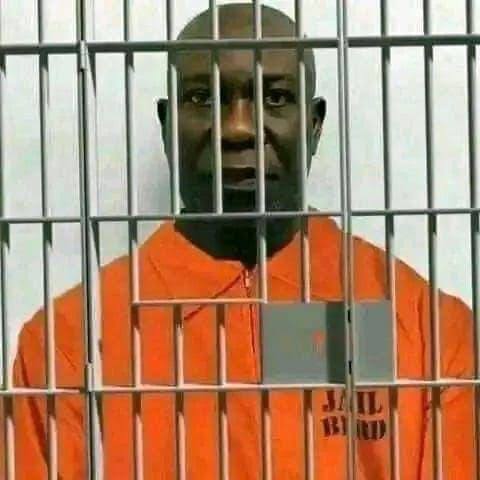
The case of Senator Ike Ekweremadu is perhaps one of the most dramatic examples of how fortunes can change in politics. Ekweremadu, who had at different times been politically opposed to Peter Obi, was later convicted in the United Kingdom, alongside his wife and a medical intermediary, in the UK’s first organ-trafficking conviction under the Modern Slavery Act. He was sentenced to nine years and eight months’ imprisonment after a British court found that he played the central role in a plot to traffic a young Nigerian to the UK for a kidney transplant intended for his daughter. The case attracted global attention and marked a stunning fall from one of Nigeria’s most influential political figures.
More recently came Festus Keyamo. Following the controversy surrounding the airport incident involving Peter Obi, public attention shifted from Obi to the conduct of security personnel after a viral video emerged. The subsequent arrest of police officers seen in the footage fueled public debate about accountability and professionalism, leaving many observers with the impression that the controversy had backfired politically.
To me, these developments reinforce one simple lesson: politics rewards humility and punishes overconfidence. Today’s critic can become tomorrow’s headline. Those who spend excessive energy attacking opponents may eventually find themselves answering difficult questions about their own conduct, decisions, or performance.
Moral lesson:
In my opinion, one of the greatest lessons from these political episodes is this: be careful about picking unnecessary fights with a man of peace.
I believe people who consistently choose restraint over retaliation often earn public respect in the long run. When someone refuses to respond to insults with more insults, they leave room for truth, time, and accountability to take their course.
Some people describe this as karma. Others call it divine justice, while some simply see it as the natural consequences of our actions. My personal belief is that negative energy has a way of returning to its source. When people devote their energy to attacking others without just cause, they may eventually face challenges arising from their own actions or circumstances.
That is why I believe we should be slow to vilify those who pursue peace. Don’t fight a man of peace. The grace such people carry is not necessarily about defeating opponents but about remaining steadfast while time and circumstances reveal the truth. Rather than seeking revenge, they allow integrity, patience, and history to speak for them.
Whether viewed through the lens of faith, morality, or the natural consequences of human actions, the enduring lesson is the same: humility outlasts arrogance, integrity outlives propaganda, and peace is ultimately stronger than hostility.
I therefore believe Peter Obi’s greatest political weapon is not retaliation but restraint. Whether one calls it patience, discipline, or strategic silence, he often allows public opinion and unfolding events to take their course.
That said, it is important to distinguish observation from causation. I do not believe these individuals experienced setbacks because they criticized Peter Obi. Rather, my opinion is that politics is cyclical, public life is unforgiving, and every leader is ultimately judged by history, institutions, and the people.


