

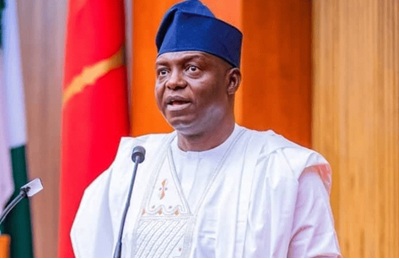
The National Chairman of the All Progressives Congress (APC), Prof. Nentawe Yilwatda, has urged opposition leaders to move beyond persistent criticism of the Federal Government and instead present practical, well-articulated policy alternatives to address Nigeria’s economic challenges.
Speaking on the nation’s economic situation, Yilwatda said democratic governance thrives when opposition parties contribute constructive ideas and credible solutions rather than focusing solely on condemning government policies.
According to the APC chairman, Nigerians expect political leaders across party lines to offer realistic proposals capable of improving the economy, creating jobs and enhancing the welfare of citizens.
He argued that while criticism is an essential part of democracy, it should be accompanied by clear policy options that can be subjected to public debate and scrutiny.
Yilwatda maintained that the Tinubu administration’s economic reforms were designed to address long-standing structural issues affecting the country’s economy and expressed confidence that the policies would yield positive results over time.
He called on opposition parties to engage in issue-based politics by presenting alternative economic strategies on key national concerns such as inflation, unemployment, infrastructure development, security, agriculture and industrial growth.
The APC chairman also urged political actors to place national interest above partisan considerations, stressing that constructive engagement among stakeholders is necessary to promote sustainable development.
Political analysts note that robust debate between the government and opposition is a defining feature of democratic systems, helping citizens evaluate competing policy ideas and hold leaders accountable.
They also observe that opposition parties play a vital role by scrutinising government actions, proposing alternative policies and offering voters different visions for national development.
However, analysts argue that effective democratic competition requires both criticism of existing policies and the presentation of practical, evidence-based alternatives that can address the country’s pressing challenges.
Nigeria continues to face significant economic issues, including inflation, unemployment, exchange rate pressures and the rising cost of living, making economic policy a central issue in national political discourse.
Observers believe discussions over the country’s economic direction will intensify as preparations for the 2027 general elections gather momentum, with both the ruling party and opposition expected to present competing policy agendas.
Yilwatda reaffirmed the APC’s commitment to supporting the Federal Government’s reform agenda, expressing optimism that ongoing economic policies would strengthen the economy and improve the living conditions of Nigerians.
He concluded by encouraging political leaders to engage in constructive dialogue that prioritises solutions, national unity and the long-term prosperity of the country, rather than focusing exclusively on partisan disagreements.


